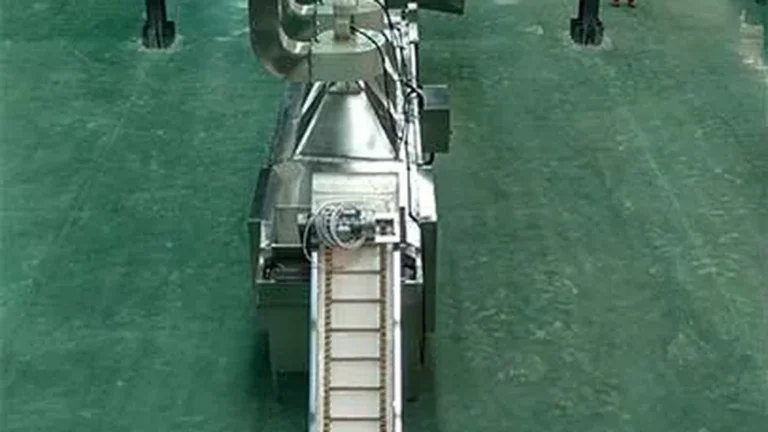
Two puffed snack production line quotations can differ sharply even when both mention the same hourly output. One may cover mixing, extrusion and drying. Another may add frying, seasoning, cooling, conveying and a packing interface. The totals are not comparable until the product route and supply boundary match.
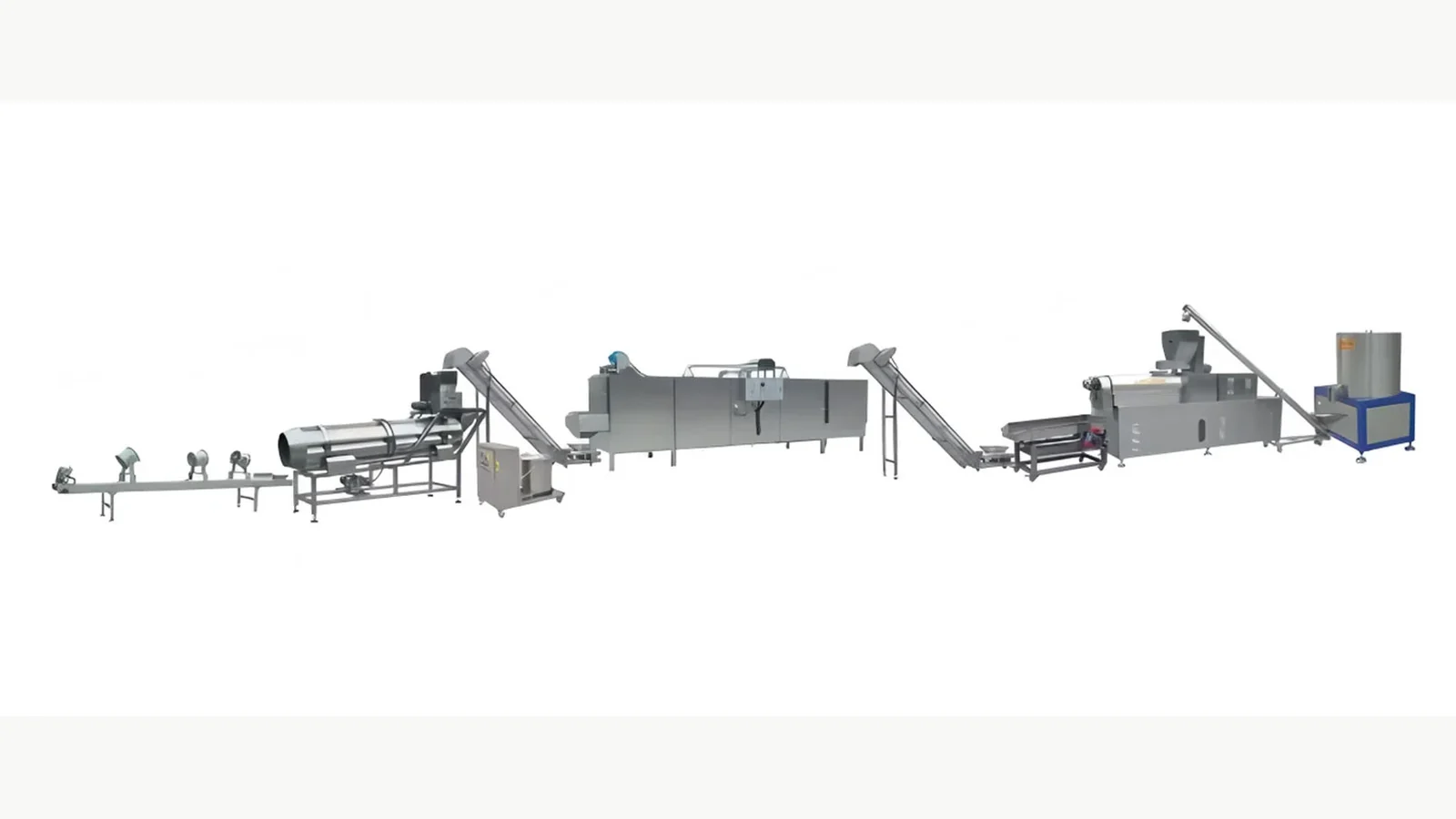
The practical way to compare cost is to freeze the snack, the required saleable output and the process route before asking for numbers. Then place every included machine, utility and service responsibility in one comparison sheet. This exposes genuine configuration differences without relying on an unsupported universal price.
Start With the Snack, Not the Extruder Model
“Puffed snack” can describe several products with different processing requirements. Before discussing equipment, give the supplier a target sample or a clear description of:
- primary raw materials and formula status;
- direct-expanded or confirmed fried product route;
- intended shape, cross-section and piece size;
- seasoning style and expected surface coverage;
- target hourly and daily saleable output;
- planned working hours, product changes and cleaning time;
- packing format and pack size.
The product definition affects the die, cutting arrangement, drying or frying stage, seasoning system and downstream handling. A line intended for direct-expanded cereal snacks should not be priced as though every fried pellet or filled-snack process is interchangeable. If the target is uncertain, product trials should precede a final commercial configuration.
The confirmed ZH65 puffed snack production line is a useful small-line reference, but its name alone does not define every dryer, fryer or packing option.
Compare the Complete Process Boundary
A quotation should state whether each of the following stages is supplied, optional, or handled by the buyer:
- raw-material preparation and mixing;
- controlled feeding into the extruder;
- extrusion, forming and cutting;
- drying or the confirmed frying route;
- seasoning and oil application where required;
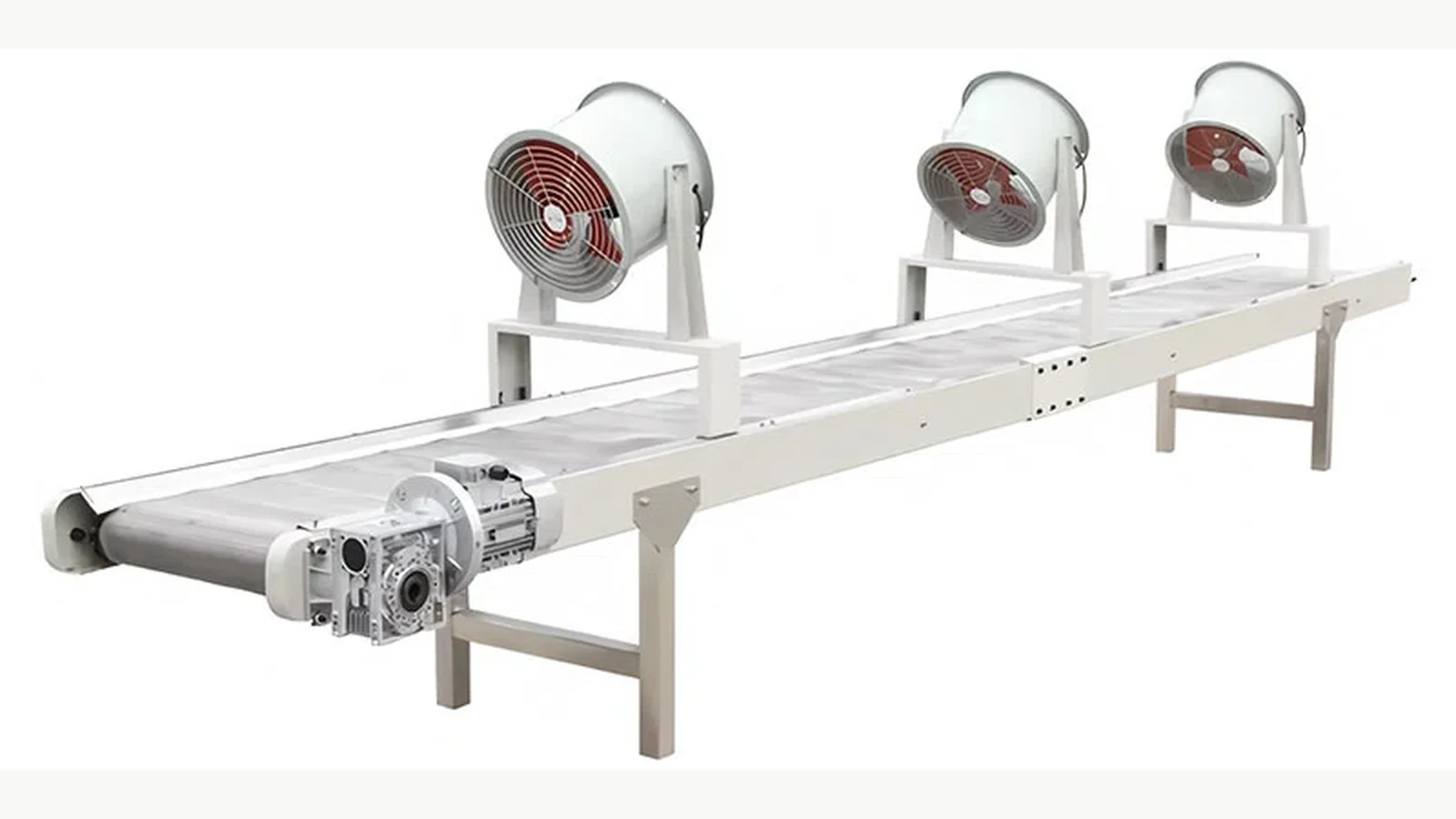
- cooling and product transfer;
- inspection and packing interface.
Removing one stage lowers the quoted total but may only move the expense to the buyer’s factory. Ask for an equipment list with model, quantity, installed power, practical operating assumptions and the connection point between supplier equipment and buyer equipment.
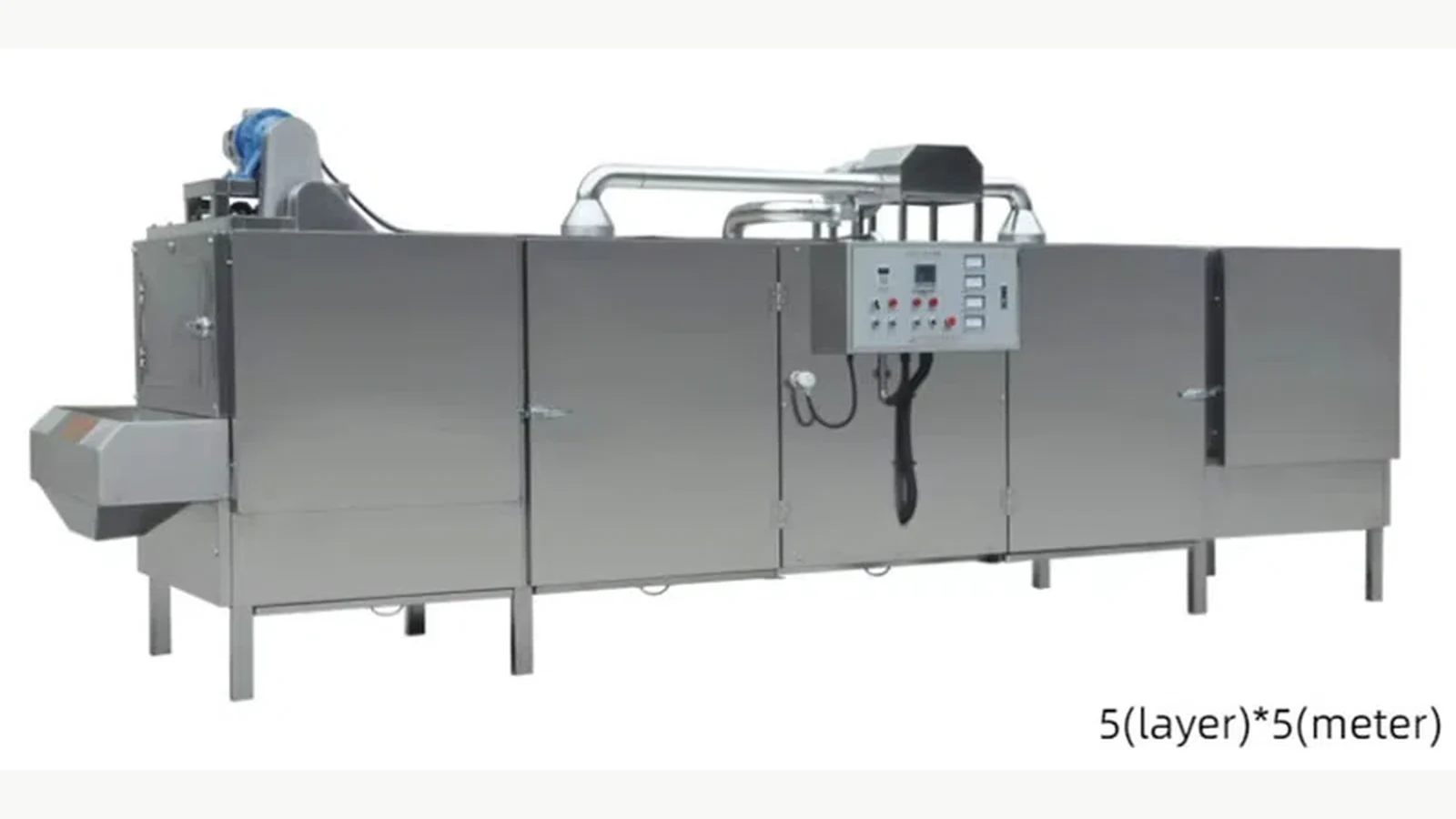
Drying and frying are not interchangeable price labels. They imply different equipment, heat sources, oil handling, ventilation, cleaning and factory services. The earlier guide to direct-expanded and fried puffed snacks explains why this route decision belongs before the final quotation.
Use Capacity as a Shortlist, Then Balance the Line
Zhuoheng’s confirmed puffed-snack references provide a first capacity shortlist:
| Model | Reference output | Installed power | Practical power |
|---|---|---|---|
| ZH65 | 120–150 kg/h | 89 kW | 53 kW |
| ZH70 | 200–250 kg/h | 126 kW | 75 kW |
| ZH85 | 400–500 kg/h | 191 kW | 114 kW |
| ZH95 | 800–1200 kg/h | 289 kW | 173 kW |
These are reference complete-line values for the stated line scope, not a guarantee for every recipe and shape. Actual throughput depends on material behavior, moisture, die geometry, expansion target and the selected drying or frying route.
The extruder must also be balanced with the slowest downstream stage. A higher nominal extrusion rate adds little value if the dryer, fryer, seasoning drum, cooling conveyor or packing equipment cannot accept the same product flow. Request one stated design basis for every stage.
Separate Equipment Cost From Factory-Side Cost
The machine price is only one part of project expenditure. A controlled comparison should show responsibility for:
- electrical distribution, transformer and factory cables;
- water, compressed air and approved heat source;
- ventilation and exhaust for the chosen finishing route;
- foundations, platforms and local building work;
- international freight, duties and inland transport;
- installation supervision, commissioning and operator training;
- spare parts, molds and initial consumables;
- packing equipment and factory material handling.
Voltage, frequency and destination affect the electrical and logistics scope. Building dimensions affect the layout and conveyor arrangement. Ask suppliers to mark exclusions explicitly instead of assuming that “complete line” has the same meaning in every offer.
Check Automation and Changeover Details
Automation can reduce manual transfer and improve process consistency, but it also changes controls, sensors, conveying and commissioning work. Ask which steps are automatic, which require an operator and how recipes or speeds are adjusted.
Product variety matters as much as annual tonnage. A plant running one shape for long campaigns has different mold, cleaning and storage needs from a factory changing products every few hours. Include the requested dies, cutting tools, seasoning recipes and changeover frequency in the quotation basis.
Normalize Every Supplier Quote on One Sheet
Use one row for every equipment stage and one column for each supplier. Record supplied model, quantity, output basis, power, heat source, material specification, controls, spare parts, service, freight basis and exclusions. A blank cell should be treated as an unanswered question, not as an included item.
Before selecting a proposal, confirm these five points:
- Does the offered route match the actual snack sample?
- Is the stated output based on the same product and working conditions?
- Are upstream, thermal and downstream stages balanced?
- Are factory utilities and local responsibilities visible?
- Are molds, commissioning and acceptance criteria written into the scope?
For a technical proposal, send product photos or samples, raw materials, target output, drying or frying route, seasoning method, packing format, voltage, heat source, factory dimensions and destination. That information lets the supplier build a line-specific quotation rather than guess from an hourly number.
Related Planning Pages
- Compare all confirmed puffed snack line models
- Review the snack line capacity selection guide
- Submit a puffed snack project configuration request
Planning a puffed snack project?
Share a product photo and your target output. We will recommend a practical line configuration for evaluation.