A packaging quotation becomes useful only when the snack and the intended retail pack are described together. A bag width by itself cannot define the weighing, feeding, sealing, coding, inspection, or buffering scope. The supplier needs a representative finished product, the target fill weight, the bag construction, the desired pack rate, and a clear boundary between the snack line and the packaging system.
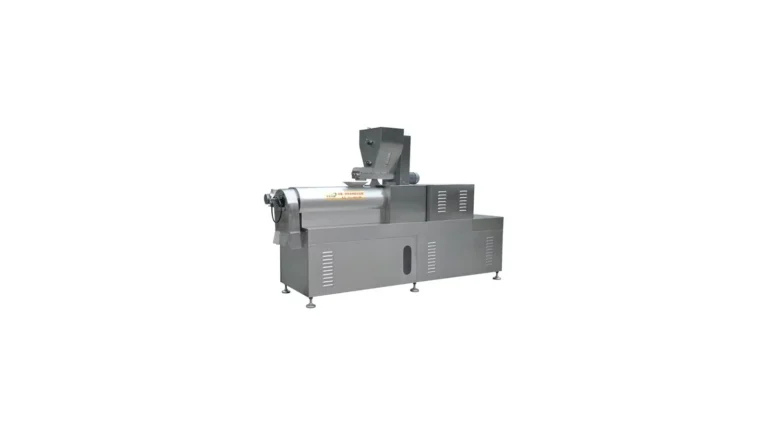
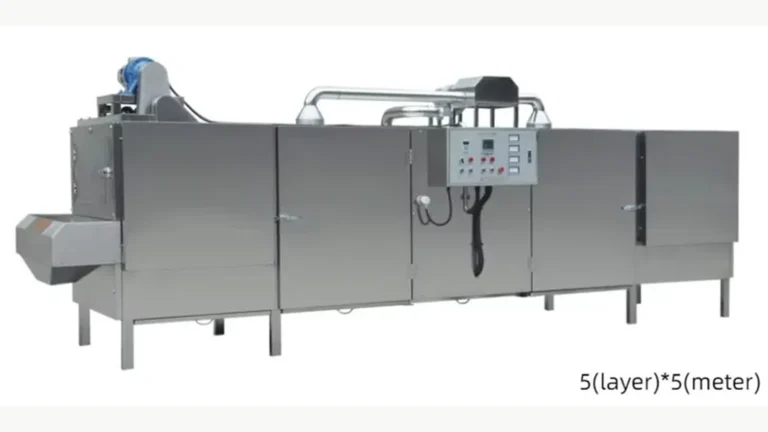
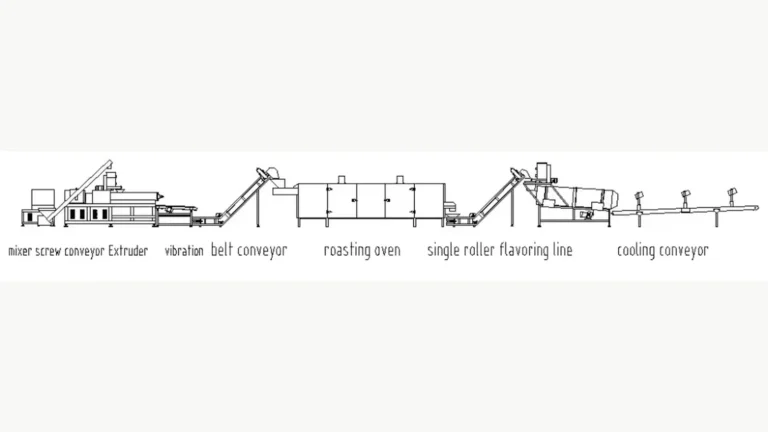
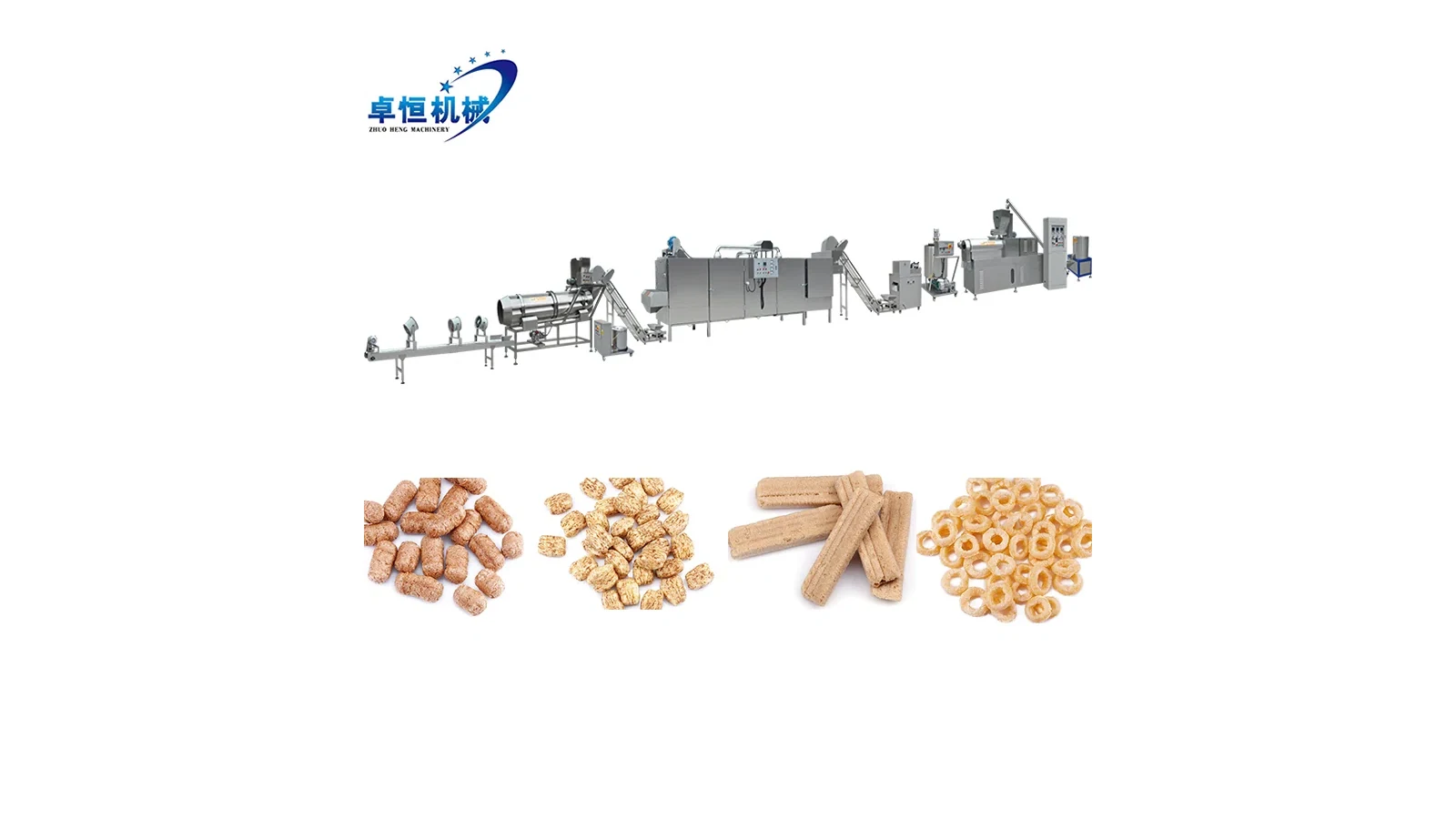
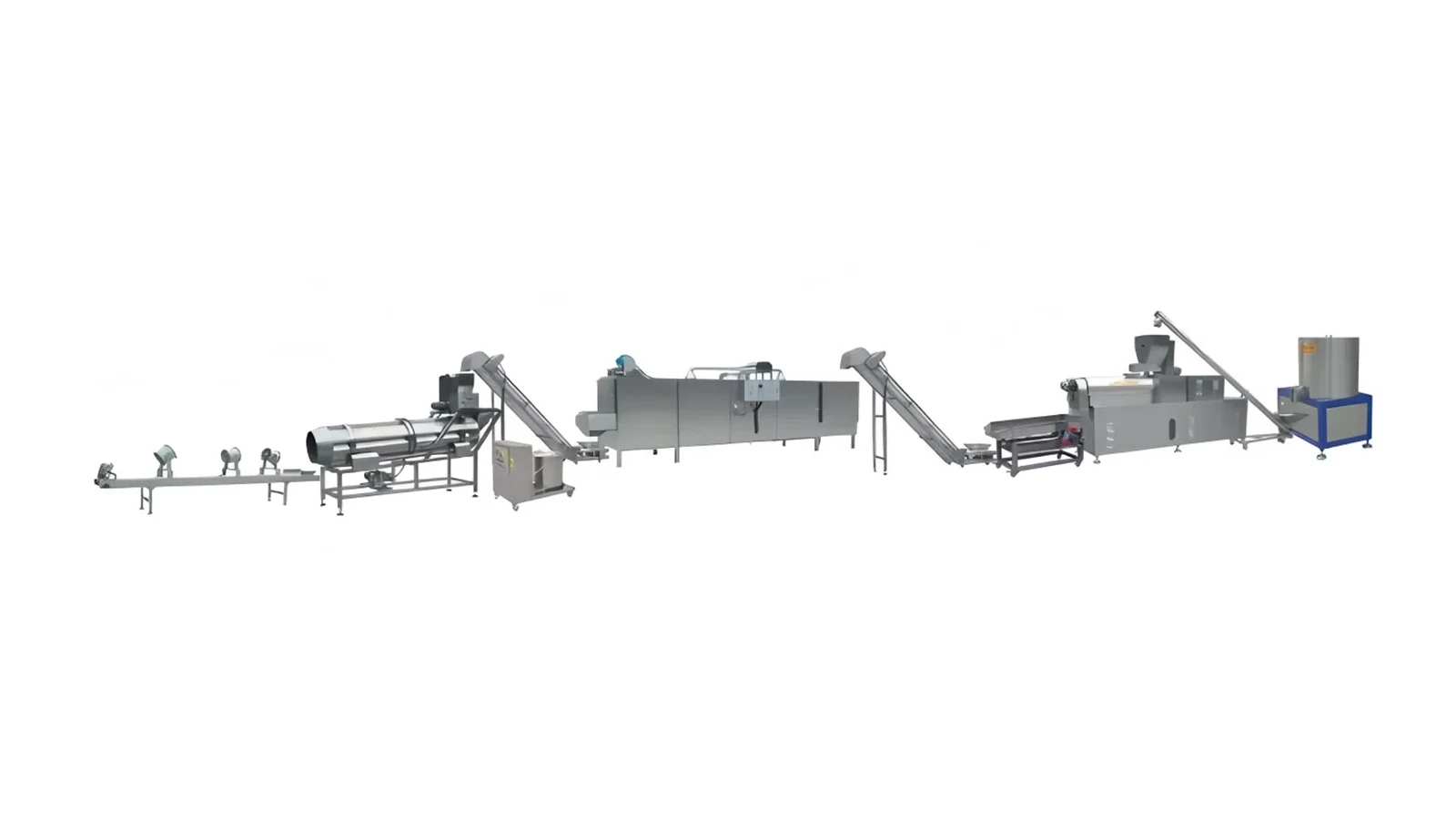
For a direct-expanded snack project, the confirmed route can include preparation, mixing, feeding, extrusion, cutting, drying, cooling, flavoring, and packing. The packing brief therefore starts with the condition of the product leaving the upstream process. The ZH65 puffed snack production line provides the product context, while every packaging value remains subject to the chosen product, formula, shape, line configuration, and pack supplier.
Record the Product at the Packing Handoff
Create one row for every product and flavor planned for the first project stage. Attach clear photos and, when practical, a physical sample in the condition expected at packing. Record the shape name, nominal dimensions, piece-weight range, surface seasoning, visible fines, fragility concerns, and whether different shapes will share the same packer.
The transfer point also needs a written description. State whether product reaches the packer directly after cooling and flavoring, through a buffer, or in handled containers. Record the expected elevation, discharge direction, available footprint, and the party responsible for connecting conveyors or feeders. The puffed snack cutting and shape-control brief explains why shape evidence belongs beside downstream equipment decisions.
Avoid converting a sample into a universal machine promise. Bulk behavior, breakage, seasoning pickup, and flow can change with the formula and process. A representative trial provides stronger evidence than a generic product name.
Build a Bag and Fill-Weight Record
List each planned SKU separately. For every SKU, include the target net weight, acceptable weight range, bag style, finished bag dimensions, film structure supplied by the packaging vendor, closure format, code location, and carton or case arrangement. Mark any item that is still provisional so the quotation cannot silently treat it as approved.
Bag dimensions and target weight are related through the actual product volume. Two snacks with the same net weight may occupy different volumes because shape, expansion, surface condition, and breakage differ. Send filled reference bags when available. If only an empty bag drawing exists, pair it with a product sample and label the result as trial-pending.
A useful RFQ also states the number of flavors, expected change frequency, and whether film rolls, pre-made bags, or another pack format are under review. These details affect the interface conversation without proving a specific packaging-machine choice.
Define the Weighing and Feeding Interface
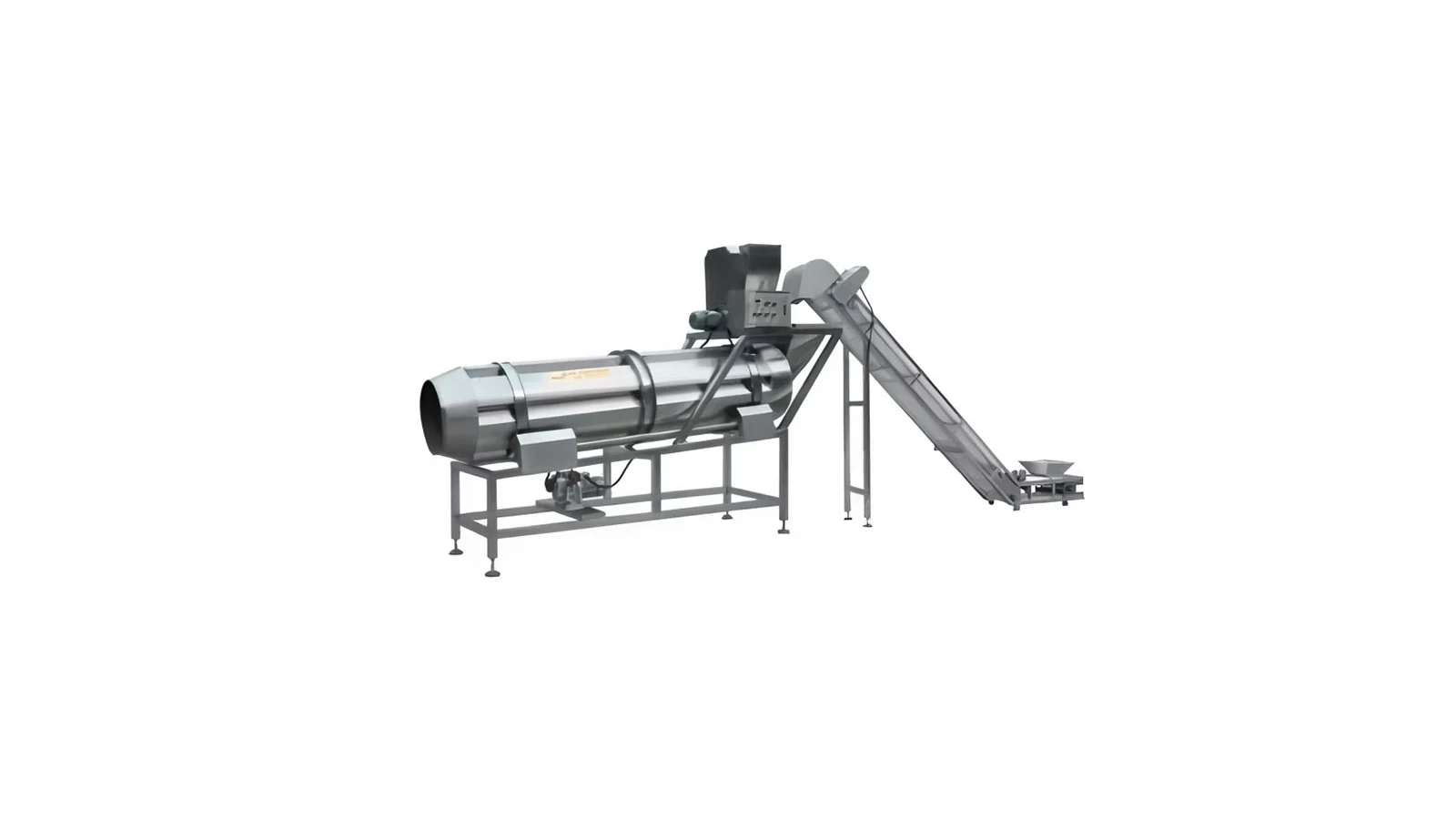
The weighing section needs a stable feed and enough product separation for the selected method to be evaluated. Record the required packs per minute as a project target, not as a guaranteed result. Add the target fill weight, permitted variation, product dimensions, bulk sample, product-temperature range at handoff, and the anticipated upstream flow pattern.
Document the buffer philosophy in plain language. State whether the upstream line can pause, whether a short accumulation period is acceptable, and what signal or operator action governs a high- or low-level condition. List the intended control boundary between the line supplier and the packaging supplier. Signal type, sensor position, cable scope, and panel responsibility require confirmation in the final technical agreement.
Product contact and transfer points deserve equal attention. Ask for a flow drawing that identifies the final seasoning discharge, transfer conveyor, buffer, feeder, weigher, bagger, take-away conveyor, and any inspection or coding devices. This drawing prevents a quotation from hiding a missing transition between separately supplied systems.
Separate Packing Functions from Project Boundaries
Break the scope into named functions: product feeding, weighing, bag forming or bag presentation, filling, sealing, coding, checkweighing, metal detection when specified, finished-pack transfer, case packing, and pallet handling. A buyer may source all, some, or none of these items from the snack-line supplier. The RFQ needs an explicit included, excluded, or supplier-confirmation status for every function.
Utilities follow the same rule. Request a schedule for electrical supply, compressed air, and any other connection that the proposed packing equipment actually requires. Site voltage, phase, frequency, ambient conditions, and local installation rules belong in the project record. Exact loads and connection details come from the selected configuration and approved drawings.
Use a Representative Pack Trial
A pack trial can turn assumptions into measurable evidence. Agree on the product batch, bag material, target weights, sample size, trial duration, and recording interval before the trial starts. Retain examples from startup, stable running, planned adjustments, and the end of the run.
The record can include individual pack weights, rejected packs, visible seal condition, code readability, product trapped in the seal area, breakage or fines observed before and after packing, seasoning loss around transfer points, and operator comments. The buyer and suppliers can then agree which observations are acceptable, which need adjustment, and which remain open.
Pack integrity and regulatory approval depend on the selected materials, product, process, equipment, and local requirements. The trial record supports a project decision; it is not a shelf-life, compliance, or commercial-output guarantee.
Put the RFQ on One Page
Use a controlled sheet with the following fields:
| RFQ field | Buyer input | Supplier confirmation |
|---|---|---|
| Product | Shape, dimensions, sample, flavor, surface condition | Suitability of proposed feeding and weighing route |
| Retail pack | Target weight, bag style, dimensions, film reference | Supported pack range and change parts |
| Rate | Required packs per minute and operating pattern | Trial basis and configuration limits |
| Handoff | Elevation, direction, buffer concept, available area | Conveyors, sensors, signals, and boundary drawing |
| Pack functions | Sealing, coding, inspection, take-away, case handling | Included and excluded supply |
| Utilities | Voltage, phase, frequency, compressed-air availability | Exact connection schedule for selected equipment |
| Acceptance | Trial product, bag, sample size, recorded checks | Witness points and open-item closeout |
Give each revision a date and owner. That small discipline keeps an early bag concept from becoming an accidental purchase specification.
Related Planning Guides
- Review the upstream condition with the puffed snack dryer handoff checklist.
- Define coating inputs with the seasoning drum input and interface guide.
- Prepare representative evidence with the puffed snack sample and trial checklist.
Prepare the Packaging Review
Send product samples or photos, bag drawings, target fill weights, pack formats, required pack rate, line route, utilities and destination for a packaging-interface review.
Planning a puffed snack project?
Share a product photo and your target output. We will recommend a practical line configuration for evaluation.