A useful puffed snack trial starts before any material enters an extruder. The buyer first needs to define the target product, raw materials, processing route, saleable output and factory conditions. Without that brief, a supplier can discuss only a generic line, not a configuration tied to the product you intend to sell.
The checklist below is designed for the technical conversation that comes before a quotation. It does not promise a formula, taste, expansion result or fixed output. Its purpose is to make the sample review specific enough to identify the right process route, the questions that remain open and the equipment stages that belong in the proposal.
1. Send a Physical Sample or a Precise Product Description
A physical market sample is the clearest starting point because words such as “corn puff” or “cereal snack” can describe very different shapes and finishes. If a sample cannot be shipped, provide several clear photographs with a ruler or stated dimensions. Show the cross-section as well as the outside surface.
Record these points:
- product name and target market;
- piece length, width or diameter;
- hollow, solid or other visible cross-section;
- straight, curved, ring or other intended form;
- unseasoned and finished-product appearance;
- expected pack size and handling method.
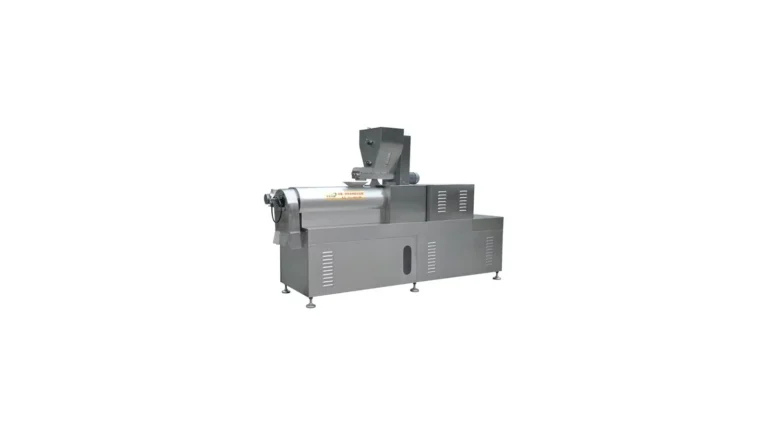
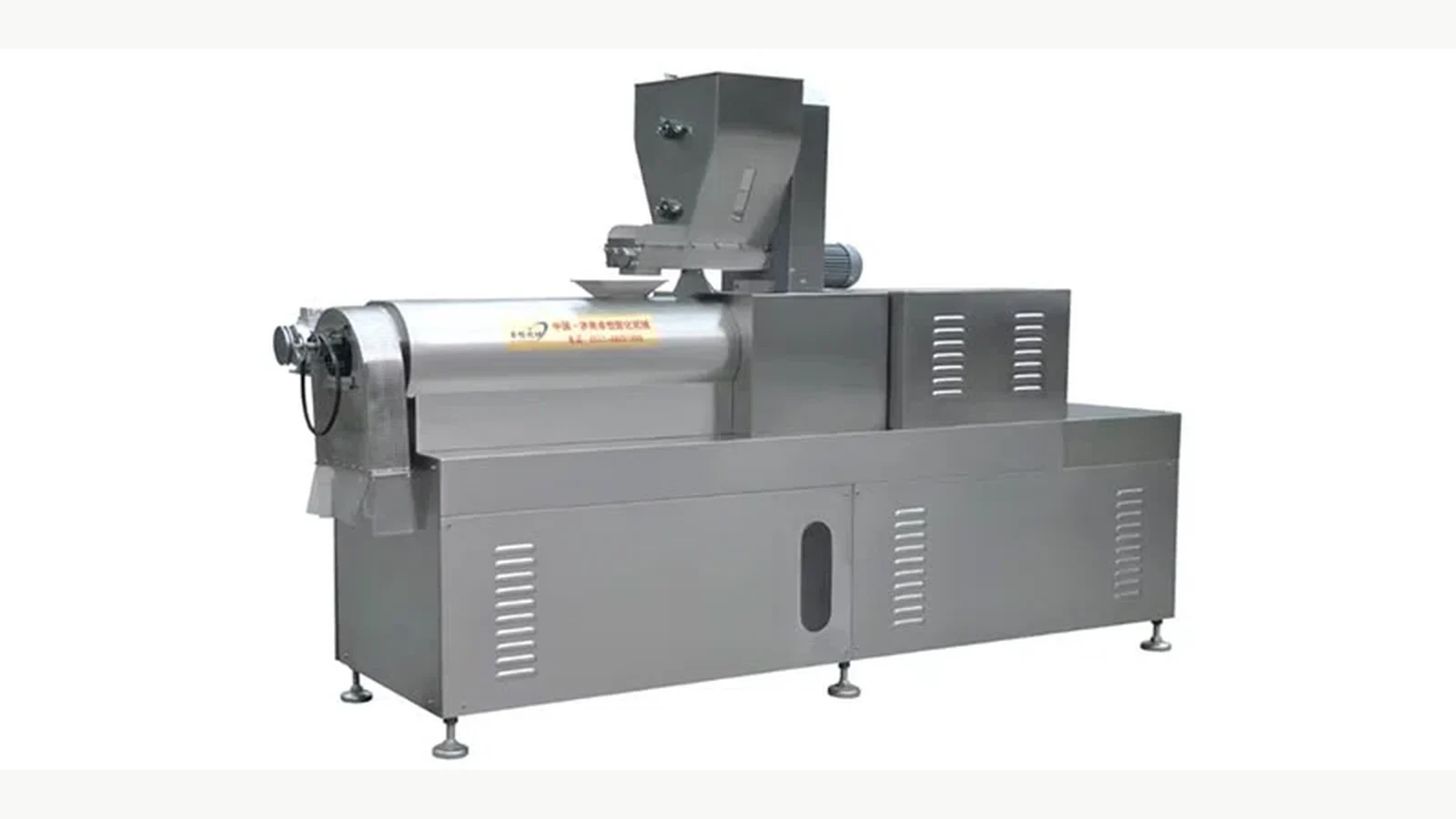
The purpose is identification, not imitation by guesswork. A supplier should be able to say whether the request belongs to the confirmed direct-expanded snack family, a confirmed fried puffed route or another process that needs separate review. The ZH65 puffed snack production line is one small-line reference, while the direct-expanded versus fried puffed snack guide explains why that first route decision changes the downstream line.
2. Describe Raw Materials and Formula Status Honestly
List the main raw materials and whether the formula is already used in production, still being developed or only represented by a competitor sample. Include known particle-size or premixing requirements if your team has them. This lets the technical discussion start with what is known instead of treating every cereal blend as equivalent.
Bring enough traceable material for a meaningful review and label each bag. A good label includes ingredient name, supplier or lot reference and the version of the formula it belongs to. Keep one retained sample from the same lot for your own comparison.
If the formula is confidential, agree on how the information will be handled before sharing it. The equipment supplier can discuss mixing, feeding and extrusion boundaries, but ingredient selection and product formulation remain separate responsibilities unless an explicit service scope says otherwise.
3. Freeze the Process Route Before Comparing Equipment
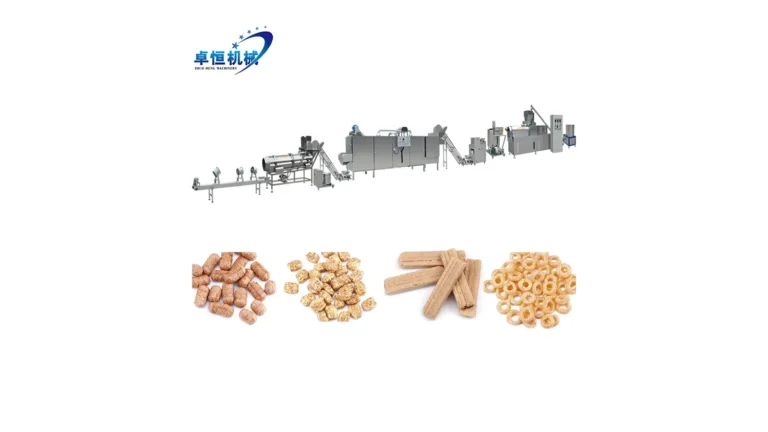
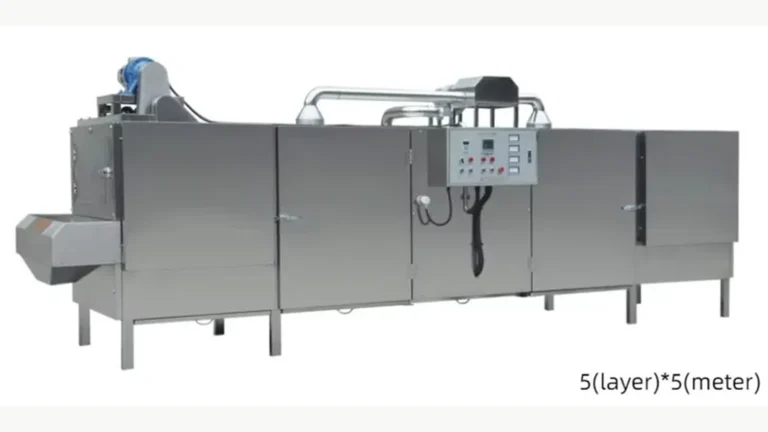
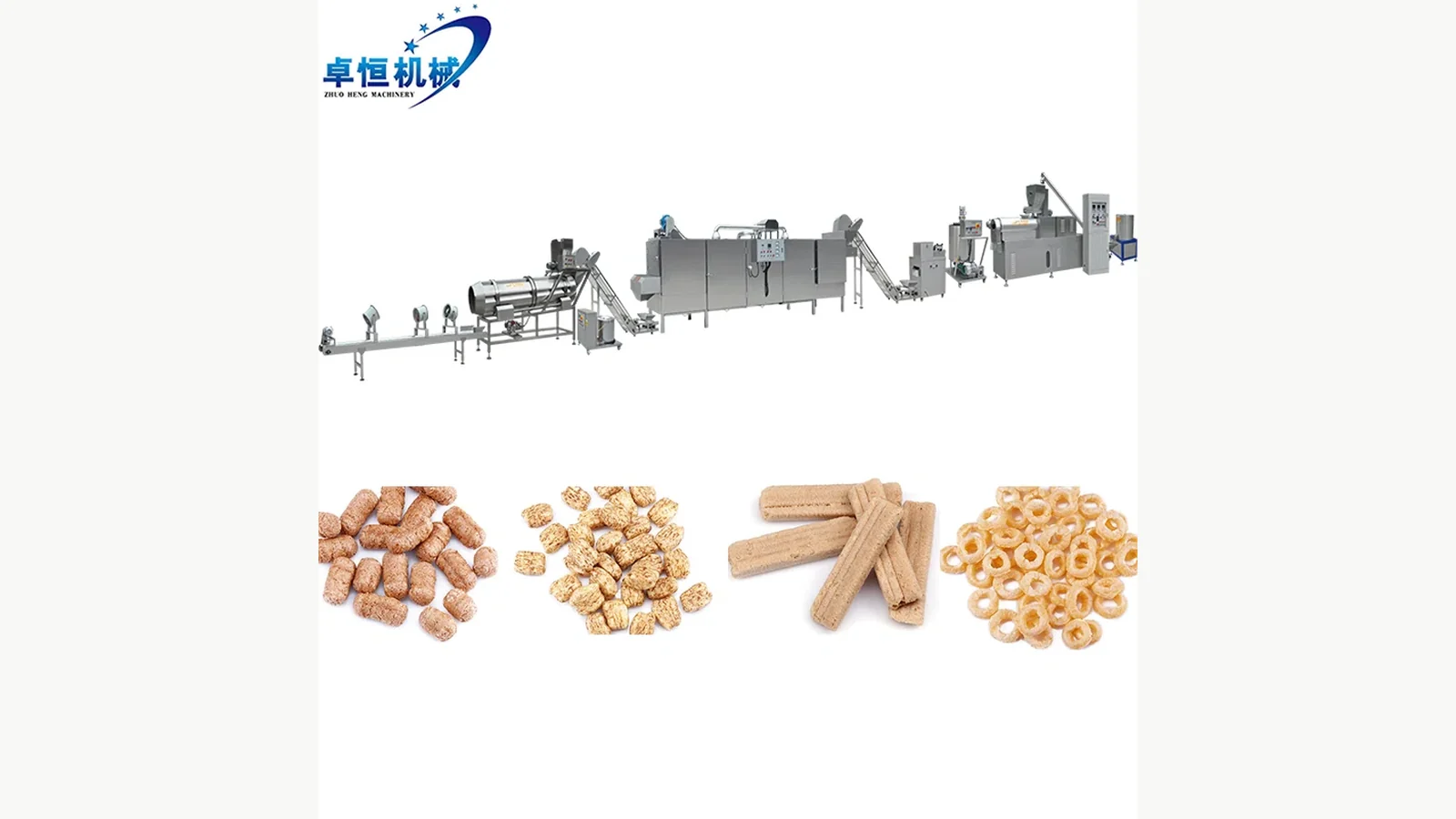
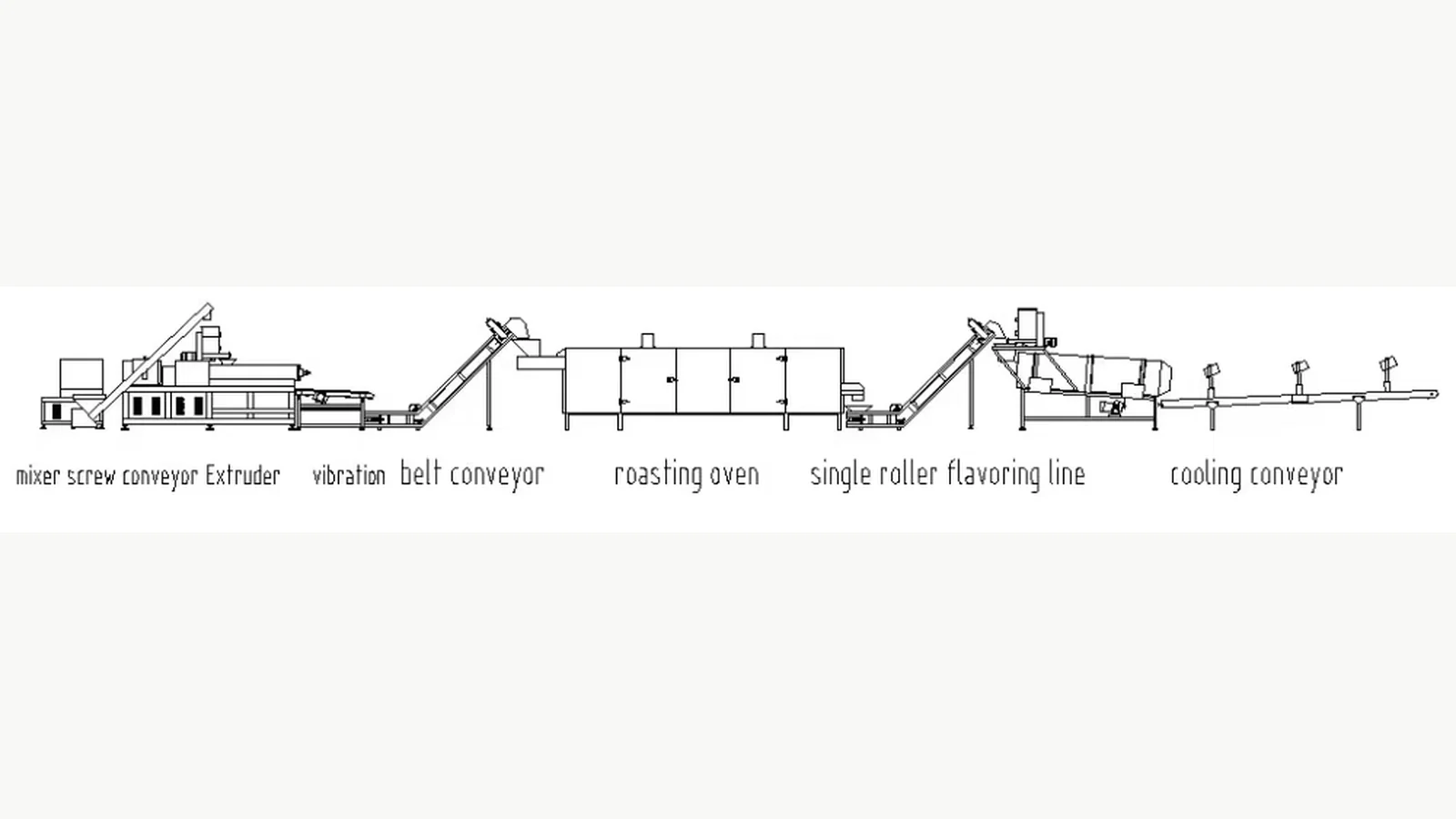
The confirmed puffed-snack process boundary is preparation, mixing, controlled feeding, extrusion and forming, followed by drying or a confirmed frying route, seasoning, cooling and packing. Each stage needs a clear status: required, optional, supplied by the buyer or still under review.
Use this decision table during the first call:
| Question | Why it matters to the line | Evidence to provide |
|---|---|---|
| Direct-expanded or fried? | Changes the finishing route and utility discussion | Sample, product photo and current method |
| What shape and size? | Guides die and cutter review | Dimensions and cross-section photos |
| Which raw materials? | Affects preparation and technical trial scope | Ingredient list and formula status |
| What finished output? | Sets the capacity discussion for the whole line | Hourly and daily saleable targets |
| How is seasoning applied? | Defines downstream handling needs | Powder, oil-assisted or other known method |
| What pack format follows? | Affects cooling, transfer and packing interface | Pack size and packing-machine plan |
The cheese ball application page is one confirmed product-route reference. It should not be treated as a universal template for every ring, stick, cereal piece or fried product.
4. State Saleable Output, Not Just a Machine Number
Provide the output you need after normal processing and the production schedule behind it. Include working hours per day, days per month, expected product changes and whether one line must make several SKUs. A nominal extruder reference is only one input; the dryer or fryer, seasoning, cooling and packing interface must support the same production plan.
Zhuoheng’s confirmed reference family includes ZH65 at 120–150 kg/h, ZH70 at 200–250 kg/h, ZH85 at 400–500 kg/h and ZH95 at 800–1,200 kg/h. These are selection references, not guarantees for every raw material, shape or recipe. Use the capacity selection guide to translate demand into a model discussion, then validate the selected range against your target product.
5. Prepare the Factory and Utility Sheet
A trial result alone cannot define whether the line fits the factory. Send available voltage, frequency and phase; preferred heating source where relevant; usable floor area; ceiling height constraints; water and drainage conditions; and the planned packing location. Mark columns, doors and restricted service aisles on any layout drawing.
Also identify the installation country and destination. Electrical configuration, transport planning and site responsibilities cannot be resolved from a product sample alone. If some facts are not ready, list them as open items rather than inserting estimates into the RFQ.
6. Record Trial Questions Before the Review
Use one observation sheet for every sample or formula version. Record the exact material batch, die or cutter reference, route discussed and the visible result that needs further work. Photographs should include a scale and the sample ID. This avoids the common situation in which several unlabeled products are discussed after the meeting.
Questions worth agreeing in advance include:
- Which product route is being evaluated?
- Which features are acceptance priorities: shape, size, surface or handling?
- Which results require formula work rather than equipment changes?
- Which downstream stages are included in the proposed line?
- Which points remain conditional on another sample or site detail?
The record should separate observations from promises. A sample discussion supports configuration; it does not by itself guarantee commercial production under different materials and conditions.
7. Turn the Trial Brief Into a Comparable RFQ
After the technical review, issue the same project brief to every supplier you intend to compare. Keep the target product, output, route, utility basis and supply boundary constant. Ask each proposal to mark inclusions, options and buyer-supplied items stage by stage.
The quotation comparison guide shows how to normalize that scope. This matters because an attractive number can simply omit drying or frying, seasoning, cooling, conveyors, commissioning scope or the packing interface.
RFQ Checklist
Before requesting a configuration, assemble:
- target sample or dimensioned product images;
- raw-material list and formula status;
- direct-expanded or confirmed fried route;
- hourly and daily saleable-output targets;
- product mix and changeover plan;
- seasoning and packing expectations;
- voltage, frequency, phase and heating-source information;
- available layout and site restrictions;
- destination country and requested supply boundary.
Send this package through the project contact form. Zhuoheng can then review the confirmed puffed-snack route and prepare questions for a configuration discussion without substituting unsupported assumptions for missing project data.
Related Product Options
- ZH70 puffed snack production line
- ZH85 puffed snack production line
- ZH95 puffed snack production line
Planning a puffed snack project?
Share a product photo and your target output. We will recommend a practical line configuration for evaluation.