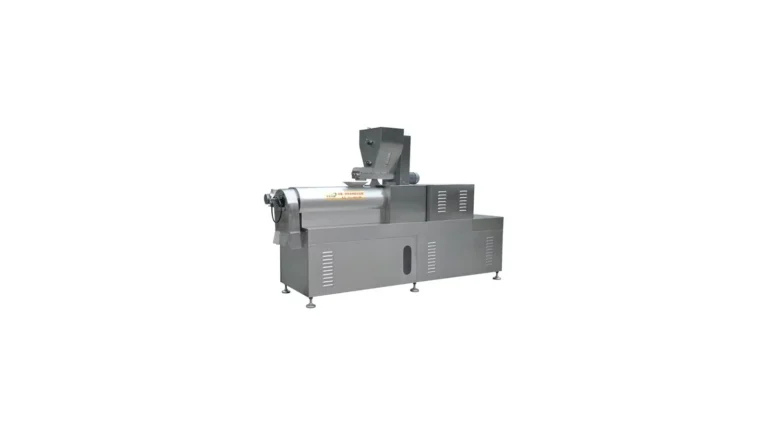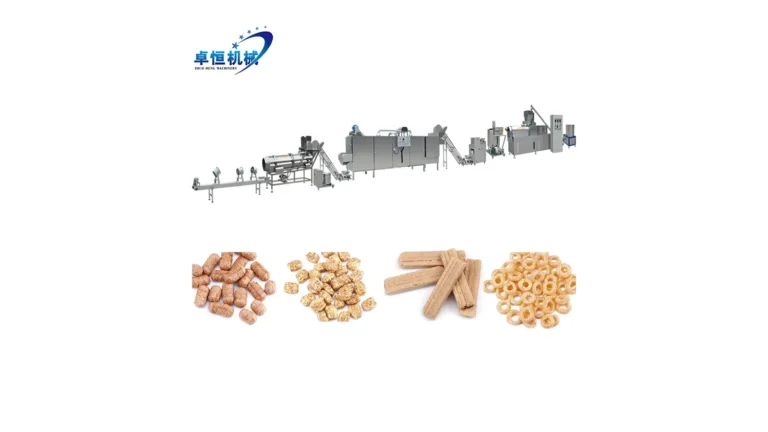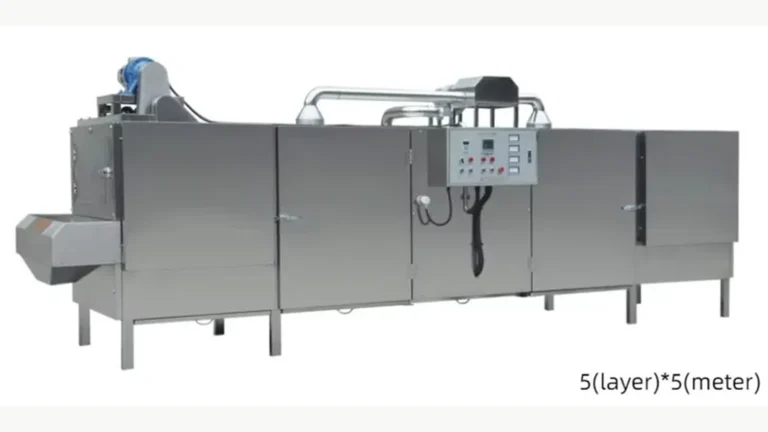
A puffed snack cutter and die should be selected around the product the buyer wants to make, not around a catalogue photo alone. The supplier needs a clear target shape, raw-material basis, process route, piece dimensions and acceptance method before it can review the extrusion head, die, cutter and downstream handling as one working section.
This guide applies to confirmed direct-expanded puffed snacks and to fried puffed-snack routes that have been reviewed for the actual product. It does not extend automatically to 2D or 3D snack pellets, core-filled snacks, tortilla-style products or generic fried foods. Those families can require different forming and processing equipment.
Define the Finished Piece Before Discussing Hardware
Start with the product that will be sold. Send photos from several angles, a physical sample where possible, and a simple dimensioned sketch. Record the target length, width or diameter, thickness, visible surface, preferred cut style and the amount of variation the buyer can accept. If several shapes belong to the launch plan, place each one on a separate row rather than treating them as one product.
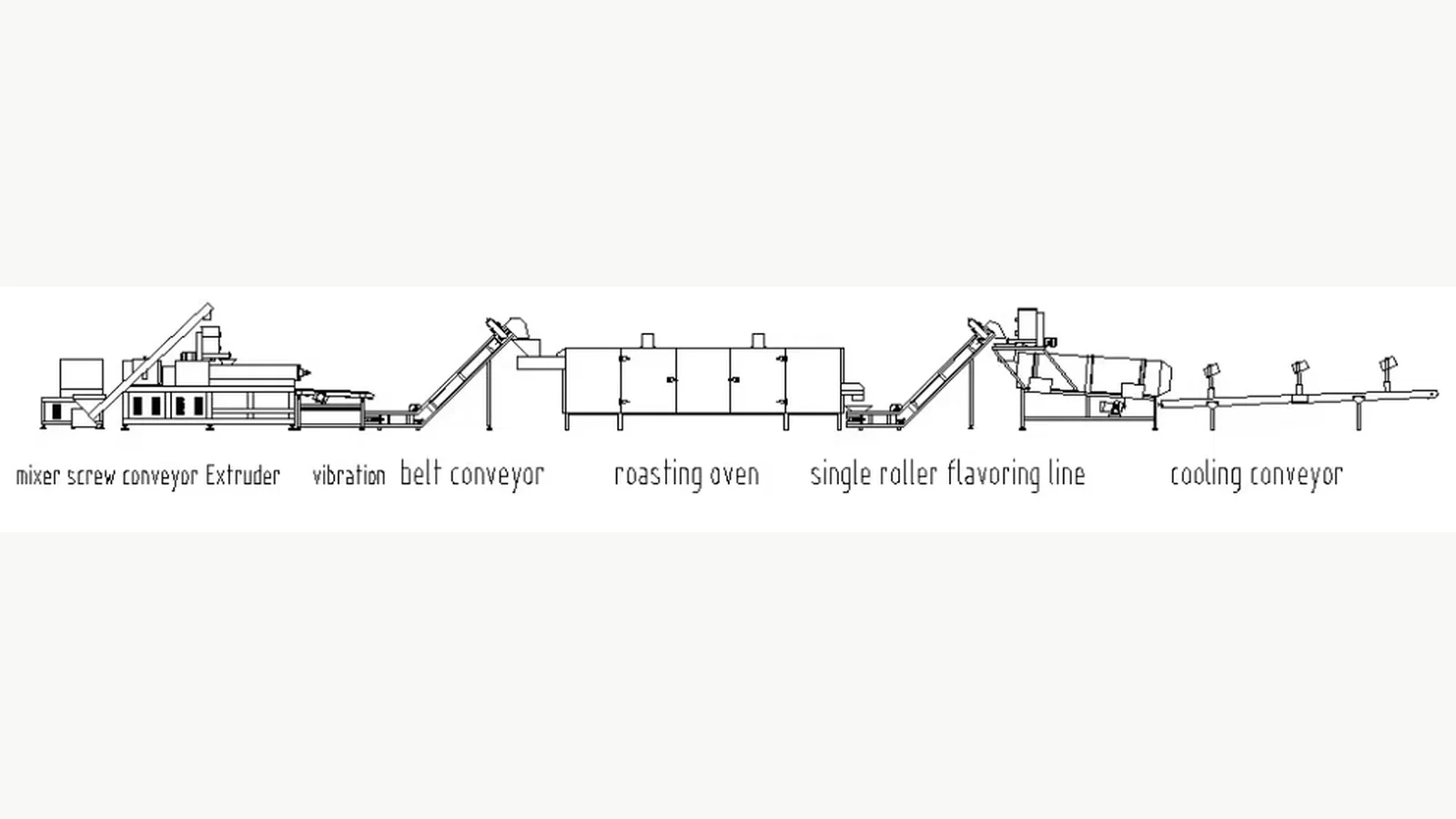
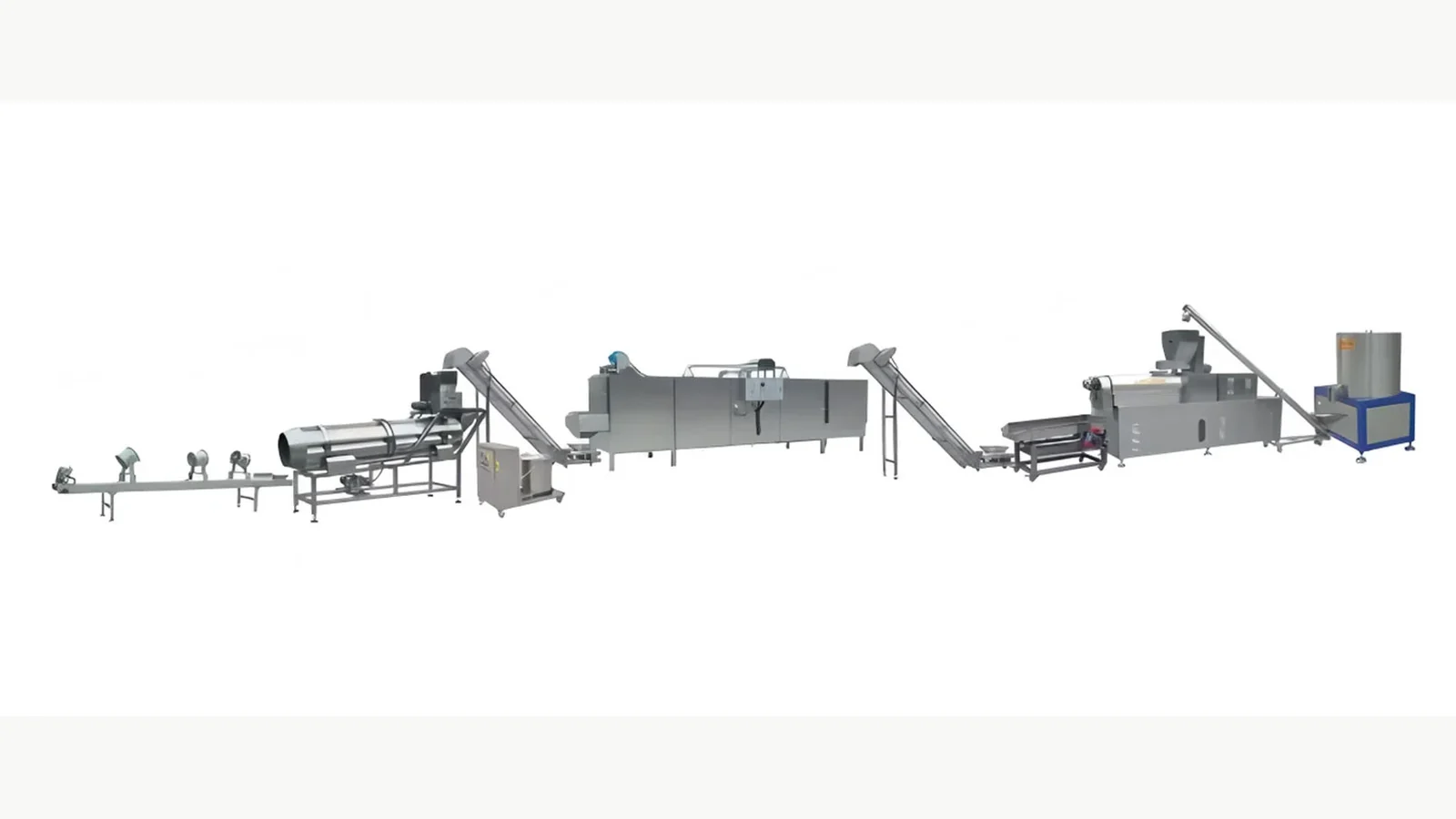
The ZH65 puffed snack production line is a verified reference for the direct-expanded product family. Its published scope supports preparation, mixing, extrusion and forming followed by the confirmed downstream route. The reference does not prove that one die or cutter produces every photographed shape.
Shape names are often ambiguous across markets. “Ring,” “ball,” “stick” or “shell” can describe very different dimensions and surfaces. A sample and drawing reduce that ambiguity. They also help the supplier separate what comes from die geometry, what depends on cutter action and what still depends on formula and process conditions.
Separate Die Questions from Cutter Questions
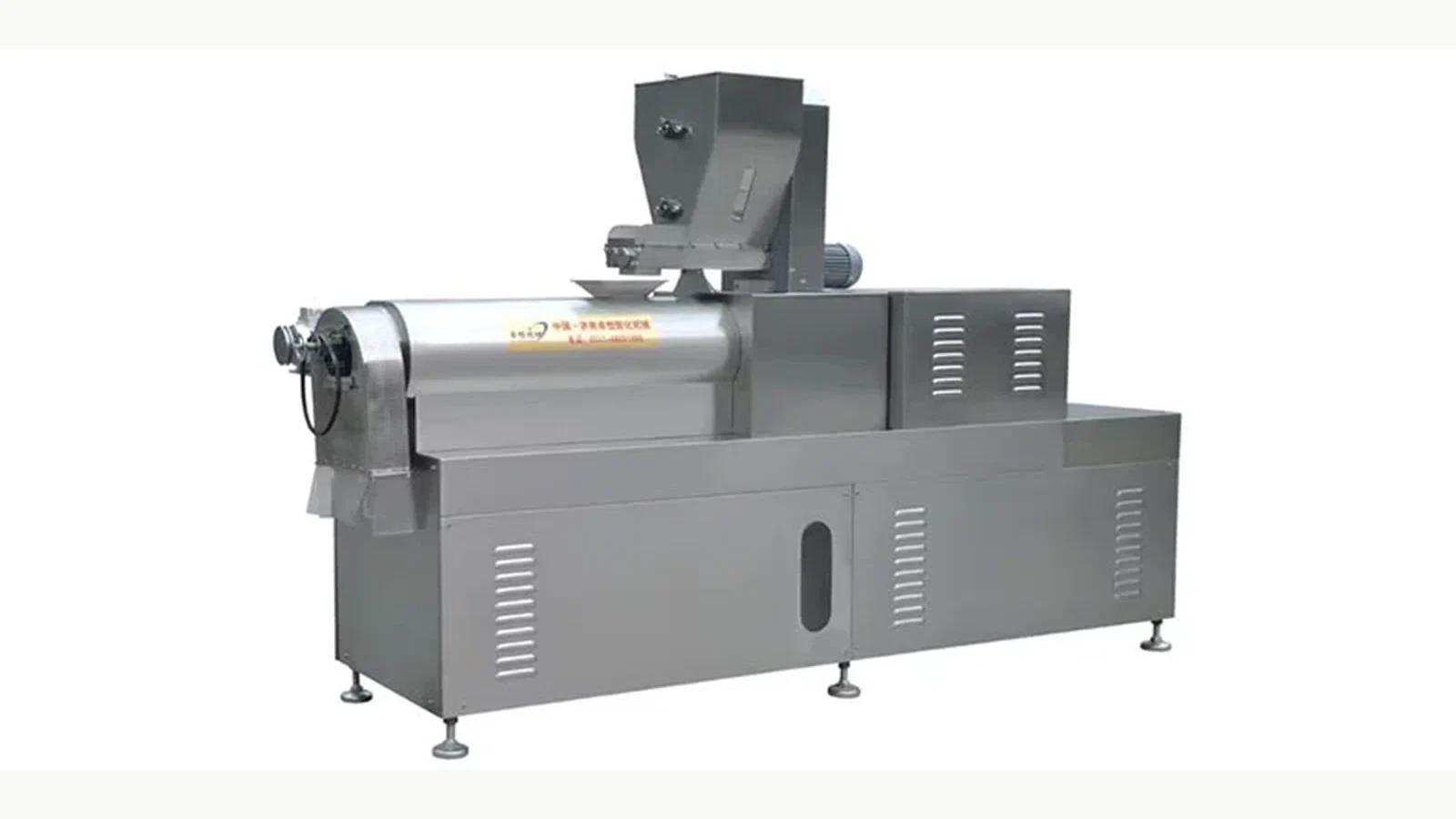
The die establishes the opening through which the product forms. The cutter acts at or after discharge to control piece length or another cut feature. Those functions interact, but they are not interchangeable. A quotation should identify the proposed die, cutter arrangement and any parts or adjustments included for the reviewed product.
Use a structured brief:
| Brief item | Evidence to send | Decision supported |
|---|---|---|
| Product identity | Name, photos and retained sample | Keeps the configuration tied to one real SKU |
| Dimensions | Dimensioned sketch and acceptable variation | Gives the die and cutter review a measurable target |
| Material basis | Main raw materials and formula status | Flags process questions that may affect expansion and shape |
| Route | Direct-expanded or confirmed fried route | Connects forming to the correct downstream stages |
| Output need | Required hourly demand and product mix | Supports line balancing rather than an isolated cutter choice |
| Acceptance | Sampling method and agreed observations | Creates a usable trial record |
Avoid converting a drawing into a guaranteed finished result. Expansion, density, moisture, formula, operating settings and product temperature can all influence the final piece. The drawing is the target; a representative trial supplies the product-specific evidence.
Keep Formula and Process Conditions in the Same Review
Two products passing through the same visible die can leave the extruder differently. Raw-material composition, particle preparation, moisture and processing conditions influence expansion and mechanical behavior. The buyer should therefore state whether the formula is fixed, under development or available only as a benchmark sample.
The direct-expanded versus fried snack route guide helps establish which route is actually being discussed. That decision belongs before the cutter brief because it affects the stages that receive and handle the formed pieces.
Where recipe details are confidential, agree on a practical way to provide a representative mix or supervised trial material. Mark unknown inputs as confirmation items. A supplier can propose a review path, but it cannot responsibly promise a universal shape from a product name and photo alone.
Review the Cutter-to-Conveyor Handoff
Cut product has to leave the forming section without uncontrolled accumulation or damage. Record the expected discharge height, transfer direction, conveyor interface and the next confirmed stage. For a direct-expanded product, the downstream route may include drying or roasting before seasoning. A confirmed fried route follows its approved process arrangement.
Ask the quotation to show where the supplier's scope starts and ends. The answer should identify the included cutter, supports, guarding, controls and transfer equipment, plus any buyer-supplied interface. This boundary matters when several vendors are quoting different sections of the project.
Product handling should be reviewed with the actual piece. Long, thin or highly expanded shapes may have different transfer concerns from compact forms. Rather than accepting a general “low breakage” claim, agree on how damaged pieces will be sampled and reported during a trial.
Build a Trial Record That Can Be Reused
A useful trial starts with a named sample, formula revision, die reference and cutter setup. Record the tested flow, observed dimensions, visible shape, damaged-piece sampling and downstream behavior. Photograph the product beside a scale or dimension reference and label retained samples with the test conditions.
The existing puffed snack sample and trial checklist covers the wider project trial. For the cutter and die decision, add a shape-specific record so later discussions refer to the same target and tested configuration.
One accepted shape result remains evidence for the tested material and settings. It is not proof for every future formula, color, flavor or geometry. If the launch plan includes multiple SKUs, decide which are representative enough to test and which will require a later confirmation.
Compare Quotations on the Same Shape Scope
Before comparing price, align the proposed scope. Each quotation should state the product and route used for selection, included die quantity, cutter arrangement, change parts, control boundary, transfers, documentation and trial basis. Optional shapes should be separated from the base configuration.
Also record the buyer's responsibilities: formula or sample supply, site utilities, upstream feeding conditions, destination voltage and final acceptance. This format exposes differences that a single machine name can hide.
RFQ Checklist for Shape and Cutting Review
Prepare these items:
- finished snack sample and clear photos;
- dimensioned target drawing for each SKU;
- main raw materials and formula-development status;
- direct-expanded or confirmed fried route;
- expected shape range and planned change sequence;
- required hourly demand by product;
- upstream feeding and downstream transfer boundary;
- buyer-defined dimension, appearance and damage checks;
- destination, voltage, frequency and phase;
- requested die, cutter, spare-parts, documentation and trial scope.
Send that package through the contact page for a product-specific die, cutter and line-interface review. The proposal should distinguish confirmed scope, optional shapes and the items that still require a sample trial.
Related Puffed Snack Planning Guides
- Puffed snack production line capacity guide
- Puffed snack production line cost guide
- Puffed snack factory layout and utility checklist
Planning a puffed snack project?
Share a product photo and your target output. We will recommend a practical line configuration for evaluation.