A startup trial can look successful while leaving the buyer with no usable loss record. Product collected during warm-up, unstable shape, dryer adjustment, seasoning setup, and packing setup is often placed in one container. That single number cannot show where material left the intended product stream or what changed before stable production began.
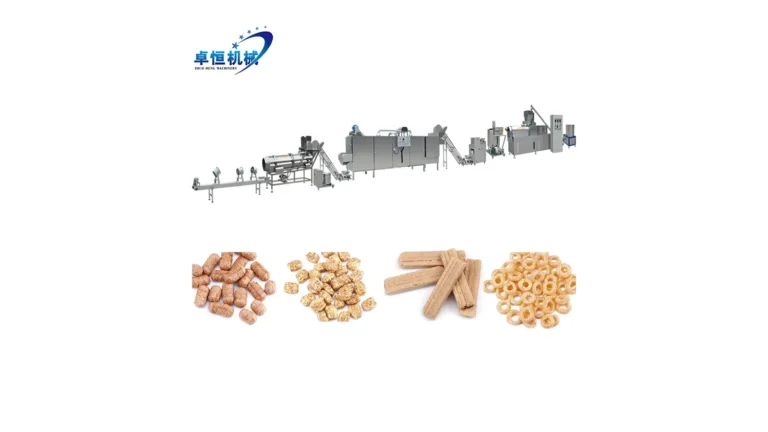
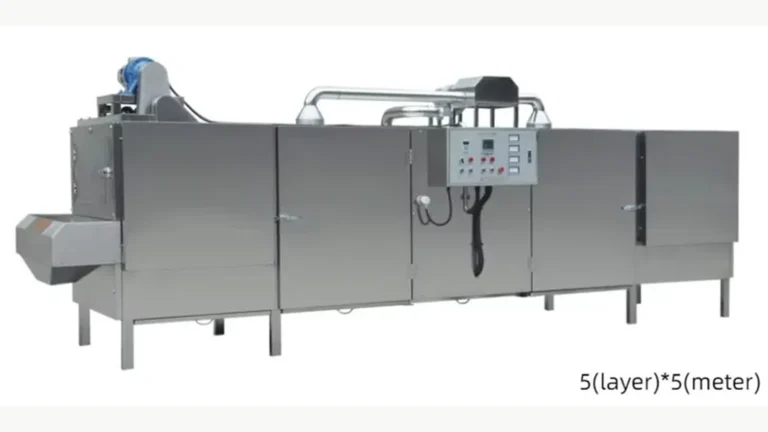
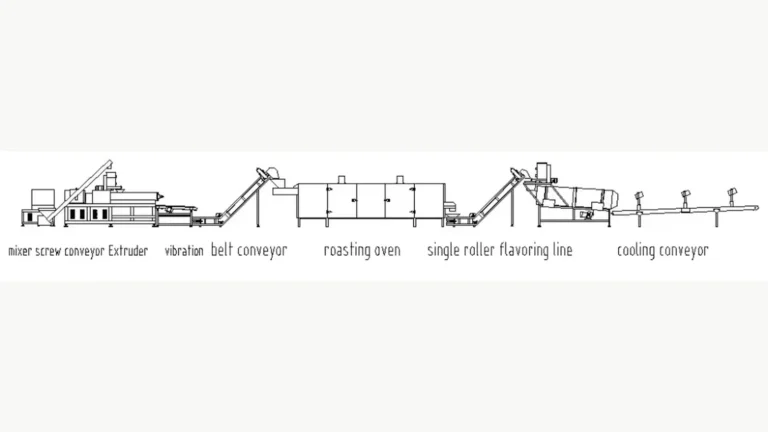
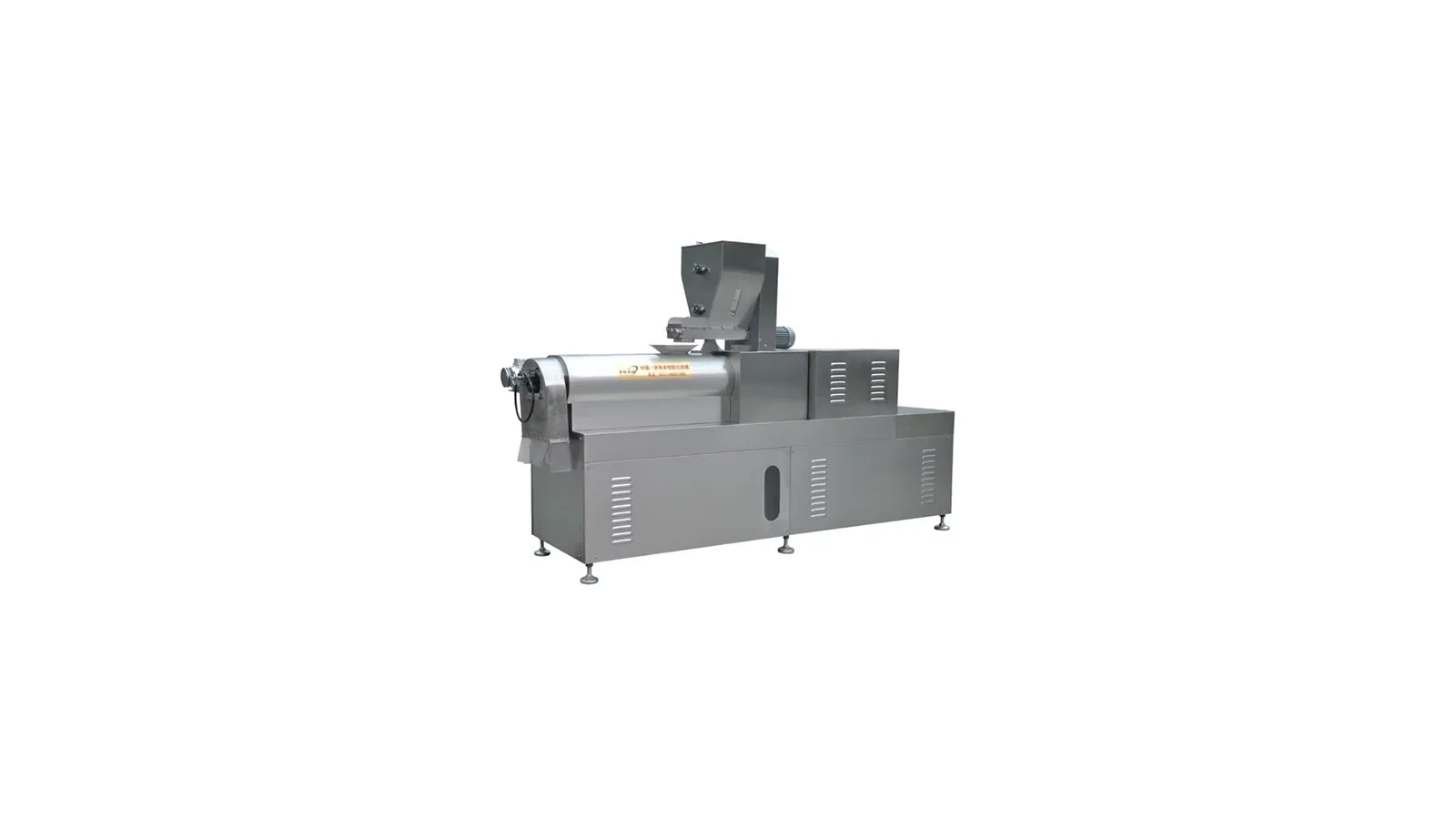
For a direct-expanded product, the confirmed route can include preparation, mixing, feeding, extrusion, cutting, drying, cooling, flavoring, and packing. A startup log follows that route and gives every collected quantity a stage, time, reason, and disposition. The ZH65 puffed snack production line provides the project context. Exact values remain tied to the product, formula, selected configuration, settings, operator sequence, and agreed trial method.
Lock the Trial Boundary Before Material Enters the Line
Write down the trial product, formula revision, planned shape, die and cutter identification, seasoning recipe status, retail pack status, and equipment included in the observation. Record whether preparation material, floor sweepings, laboratory samples, retained samples, and packaging rejects are inside or outside the startup calculation. A shared boundary prevents two teams from reporting different totals from the same run.
Define the start and finish events with observable line conditions. The start may be the first recorded ingredient addition. The finish may be the agreed time when product at the final included stage meets the approved reference and the line enters a stable observation period. These are project definitions, not universal production rules.
Use the existing puffed snack sample and trial checklist to identify the representative input and approval sample. Keep the startup scrap log as a separate record focused on material location and reason.
Give Every Collection Point a Code
Mark physical collection points on a simple line diagram. Suitable codes may cover the mixer or feeder, extruder discharge, cutter area, dryer inlet and outlet, cooler transfer, seasoning section, buffer, weighing system, and bagging discharge when those stages are included. Put the same code on containers and log rows.
Then define a short reason list. Useful categories include planned warm-up discharge, off-shape product, cutter adjustment, visible under- or over-processed product, transfer spill, fines collected at a named point, seasoning setup, pack-weight setup, seal or film setup, retained sample, and unclassified material awaiting review. Keep observations factual. A visible defect label is stronger than an assumed root cause.
The existing puffed snack cutting and shape-control brief helps distinguish shape evidence from later-stage handling observations.
Measure Material with a Controlled Method
Use identified containers and a scale suitable for the trial quantities. Record the empty container value, gross value, calculated material value, unit, time, collection point, reason code, and recorder. If a quantity is estimated rather than weighed, mark it clearly and keep it outside the verified subtotal.
Record usable product separately from material removed from the product stream. Product held for adjustment, rework, analysis, or final disposal needs a status owner. The trial record documents what happened; it does not decide food-safety, regulatory, rework, or disposal policy.
A mass balance is only meaningful when all included inputs and outputs use the same boundary and measurement basis. Water addition, moisture change, retained material, sampling, packaging materials, and work in process can affect interpretation. Ask both parties to approve the calculation method before treating a percentage as acceptance evidence.
Follow the Startup as a Time Sequence
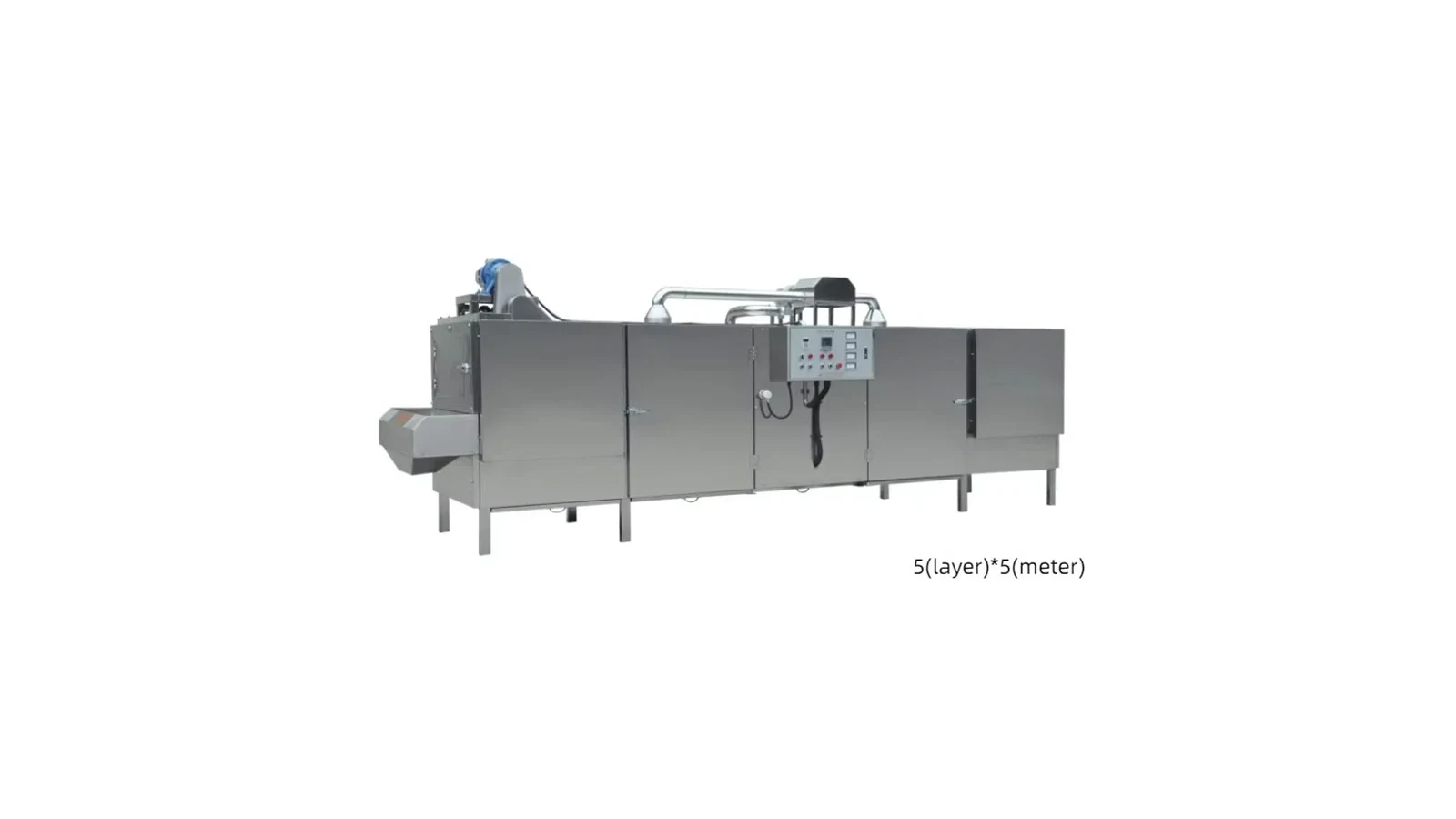
Add a timeline beside the quantity log. Record the clock time, material batch, equipment state, planned adjustment, observed product condition, sample code, and the person authorizing the next step. This connects collected material with the actual startup sequence.
Separate the first extrusion and cutting adjustments from dryer, cooler, seasoning, and packing stabilization. Product takes time to travel between stages, so an adjustment at the extruder cannot automatically explain an observation at the packer at the same moment. A stage-based timeline makes that delay visible.
Retain samples at agreed points. Label each sample with product, batch, location, time, and trial phase. Photographs need the same code. A photo supports a visible observation but cannot replace a weighed quantity or prove conditions inside equipment.
Review Seasoning and Packing Loss on Their Own Terms
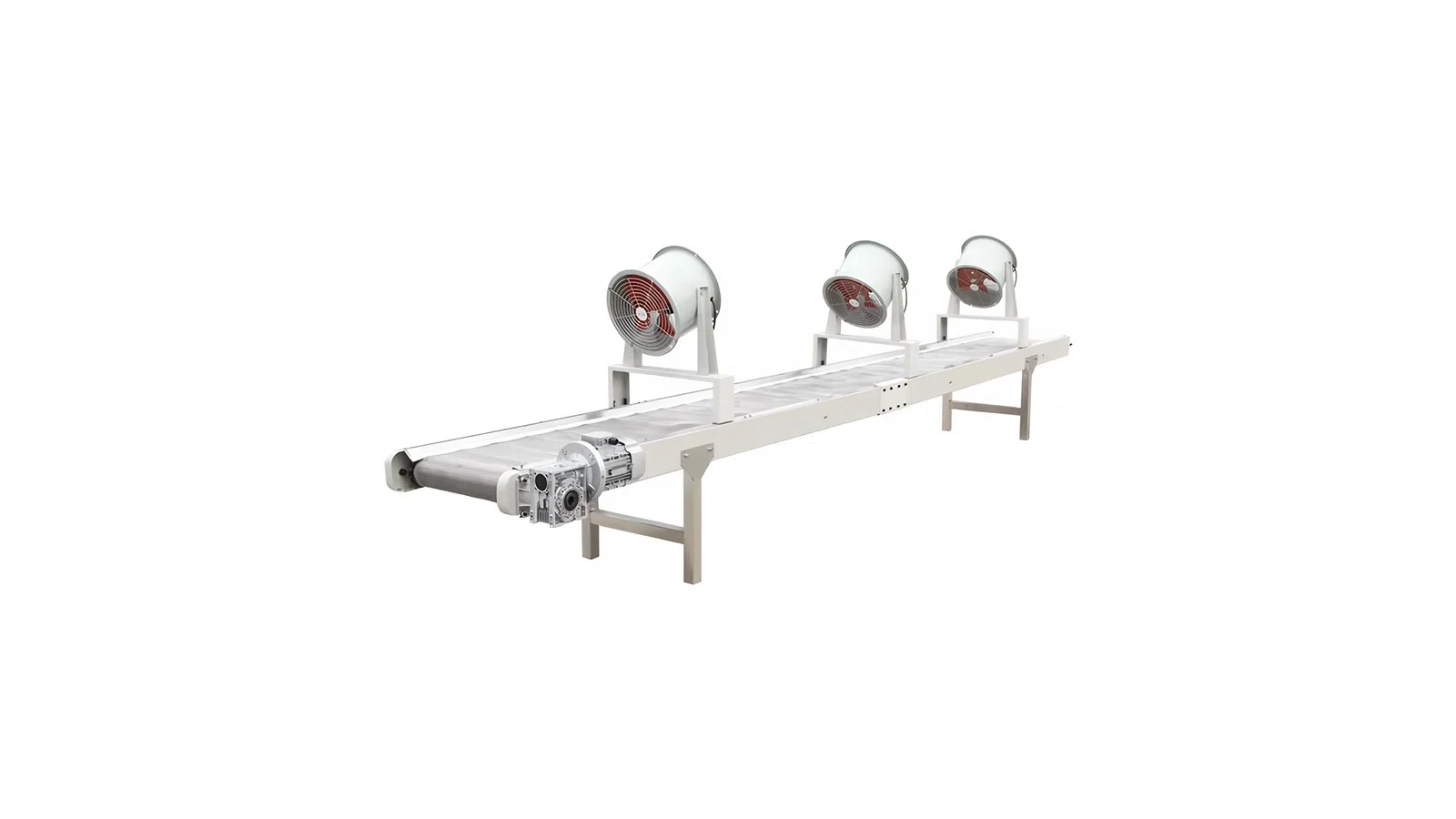
At flavoring, separate uncoated or partially coated product, seasoning material collected outside the product stream, and transfer fines. Record the input recipe revision and any approved adjustment without turning one trial setting into a promise for every snack. The seasoning drum input and interface guide provides the upstream data needed for this section.
At packing, distinguish product used to establish feeding and weighing from packs rejected for film, seal, code, or weight observations. Record the target fill weight, pack format, and included packing functions. The existing snack bag and weighing RFQ sheet covers those inputs in more detail.
Use a Review Table That Supports a Purchase Decision
| Field | Trial entry | Buyer review |
|---|---|---|
| Boundary | Included stages, input point, finish event | Same basis used by all parties |
| Collection point | Code, stage, container | Location is identifiable |
| Quantity | Tare, gross, net, unit | Weighed or clearly marked estimate |
| Reason | Observable category | Cause remains open until supported |
| Time | Clock time and trial phase | Matches equipment and sample record |
| Status | Usable, held, sampled, or removed | Owner and next action recorded |
| Closeout | Stable-period start and open items | Witnesses sign the same revision |
The final review can compare category totals, identify the largest observed removal points, and list tests or configuration questions that remain open. It cannot establish a guaranteed scrap rate from one product and one startup. Any contractual value needs a defined product, method, boundary, trial conditions, and written acceptance basis.
Related Planning Guides
- Define the representative input with the puffed snack sample and trial checklist.
- Separate shape observations with the puffed snack cutting and shape-control brief.
- Record the packing boundary with the snack bag and weighing RFQ sheet.
Prepare the Startup Evidence Review
Send the snack sample, formula status, route, planned products, startup sequence, collection points, output target, utilities and destination for a trial-record review.
Planning a puffed snack project?
Share a product photo and your target output. We will recommend a practical line configuration for evaluation.