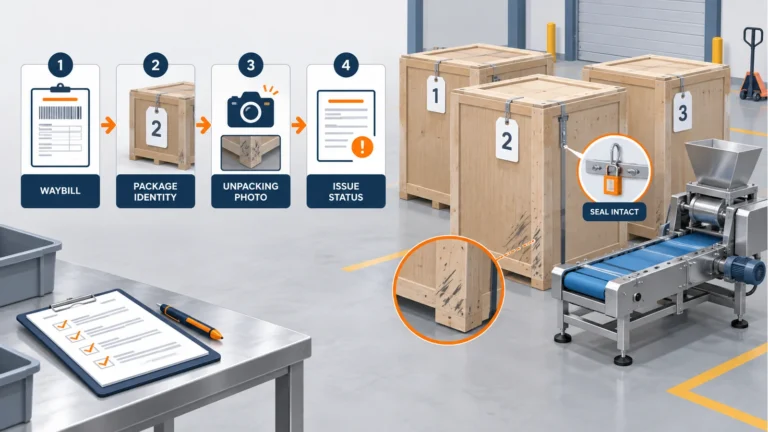
A replacement-part request is easier to verify when the supplier can see the exact machine, the installed location, the removed component, and the relevant dimensions in one controlled evidence pack. A close-up photo alone often hides scale, orientation, mounting pattern, and the relationship to nearby equipment. A generic part name can also refer to different items across line configurations.
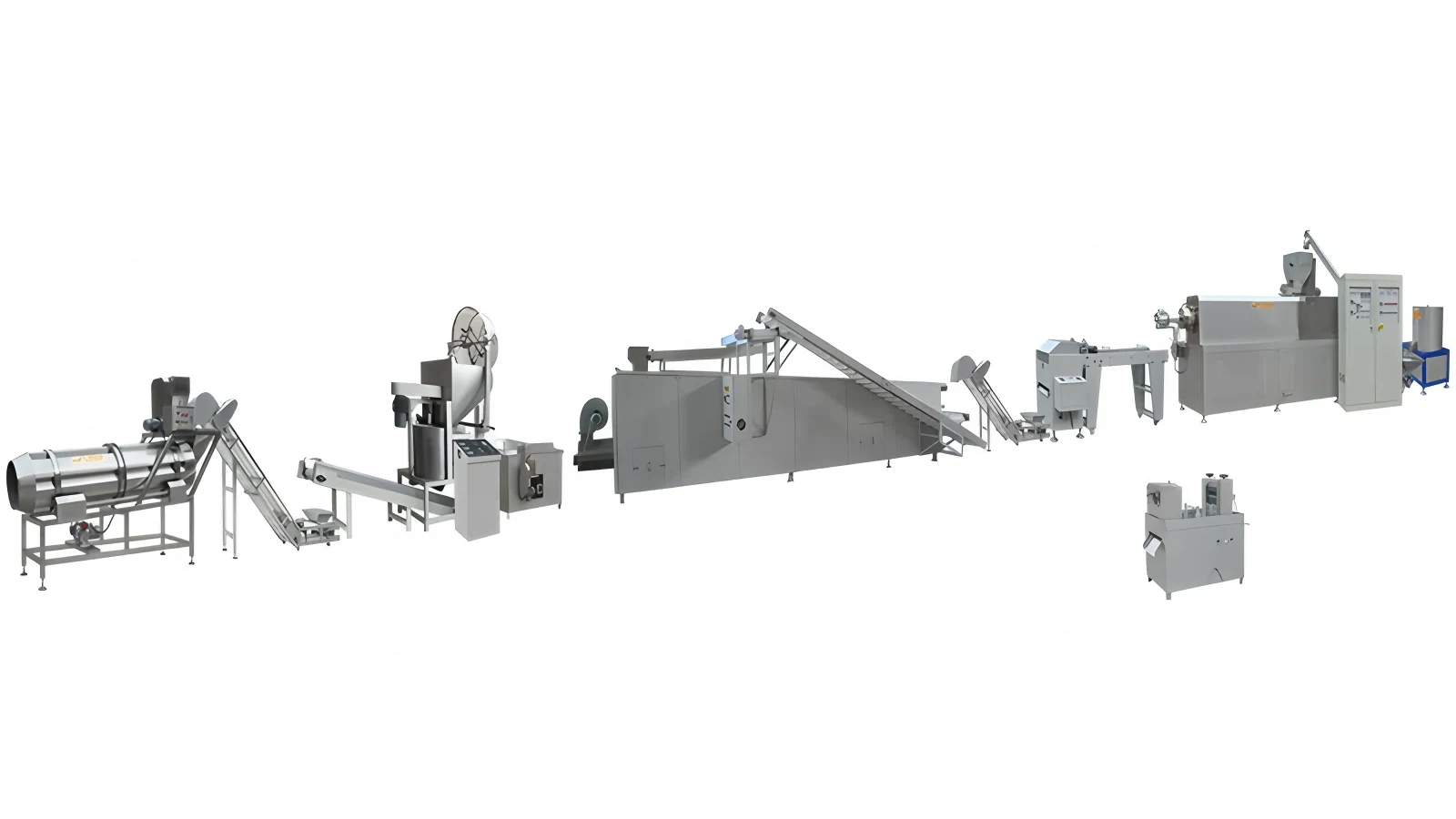
The confirmed direct-expanded route can include preparation, mixing, feeding, extrusion, cutting, drying, cooling, flavoring, and packing. The ZH65 puffed snack production line provides the equipment context, while every replacement remains tied to the installed configuration and original supply record.
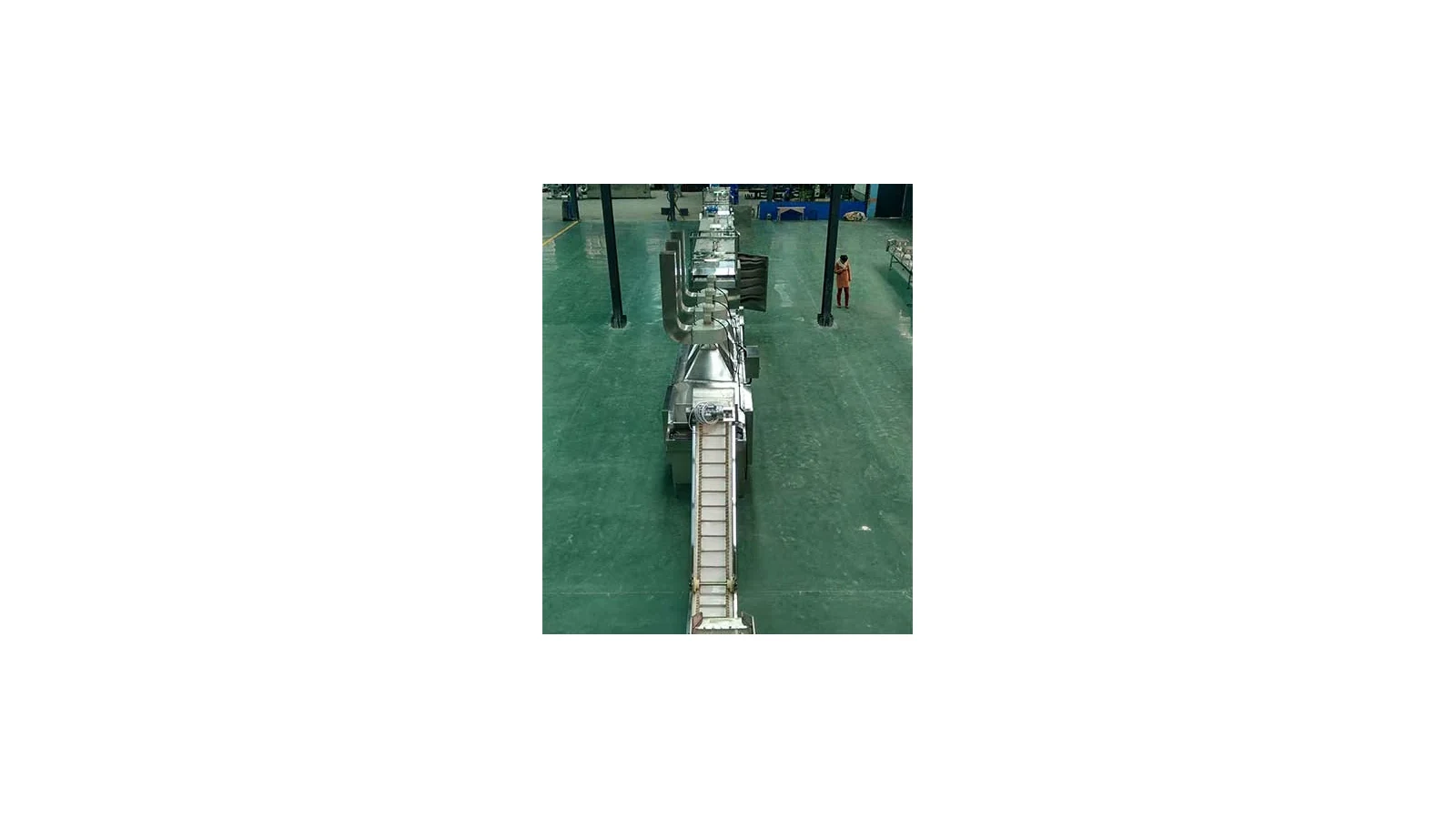
Start with the Machine Identity
Create a request number and record the site, line name, machine name, equipment tag, model shown on the nameplate, serial or production reference when available, and original order reference. Photograph the full nameplate so labels, units, and revision marks remain visible. Transcribe the information into the request, but keep the image as the primary evidence.
If the tag is missing or unreadable, mark that gap. Add a full-machine photo and the machine's position in the process route. The complete-line quotation scope guide helps separate a single unit from the full supply boundary.
Avoid identifying a component only by color or a familiar nickname. Paint, guards, local modifications, and supplier revisions can make two different parts look similar.
Show the Installed Location Before the Close-Up
Take a sequence from wide to narrow. The first image shows the whole machine. The second shows the relevant side and nearby assemblies. The third shows the component installed. Later images can show the removed item and detailed features.
Give every image a file code and caption. Record viewing direction, upstream and downstream orientation, and any guard or cover that was removed by authorized personnel. The evidence pack records condition; safe access, isolation, disassembly, and reassembly remain governed by the equipment manual and the site's qualified team.
Photograph Interfaces, Not Only the Worn Area
Include mounting holes, shafts, keys, threads, flanges, connectors, seals, fasteners, cable ends, and mating surfaces when they belong to the requested item. A straight-on view and a side view reduce perspective ambiguity. Add a scale reference only when it is clear and controlled.
Photograph any legible code, engraving, arrow, rotation mark, voltage label, material mark, or manufacturer label. Copying a code into a message can introduce an error, so retain the original image beside the transcription.
Keep damage evidence separate from identity evidence. A broken edge or worn surface may explain the request, but an intact mounting face or connector may be more useful for matching the replacement.
Record Dimensions with a Measurement Map
Draw a simple numbered sketch and connect each number to one dimension. Useful fields may include overall length, width, thickness, outside and inside diameter, shaft diameter, hole diameter, center distance, thread reference, connector count, and mounting pattern. Only record dimensions that can be measured safely and reliably.
List the tool used and unit. Photograph the measuring tool in position where practical, without hiding the reading or component edge. A photo of a ruler beside a part is weaker than a named dimension tied to two clear endpoints.
Dimensional evidence supports identification; it does not prove material grade, heat treatment, electrical rating, tolerance, or interchangeability. Those items require original records or supplier confirmation.
Add Operating Context Without Guessing the Cause
Record when the condition was first observed, the product being made, the machine state, visible symptoms, unusual sound or vibration reported by the operator, and whether production stopped. Use observable language. Separate “surface is visibly worn” from “wear was caused by a specific setting” unless the cause has supporting evidence.
For process-related parts, add the product sample code, formula status, and current line stage. The existing factory layout and utilities guide can help locate the machine within the buyer's drawing, but the replacement request should retain its own evidence set.
Keep Electrical and Control Items Model-Bound
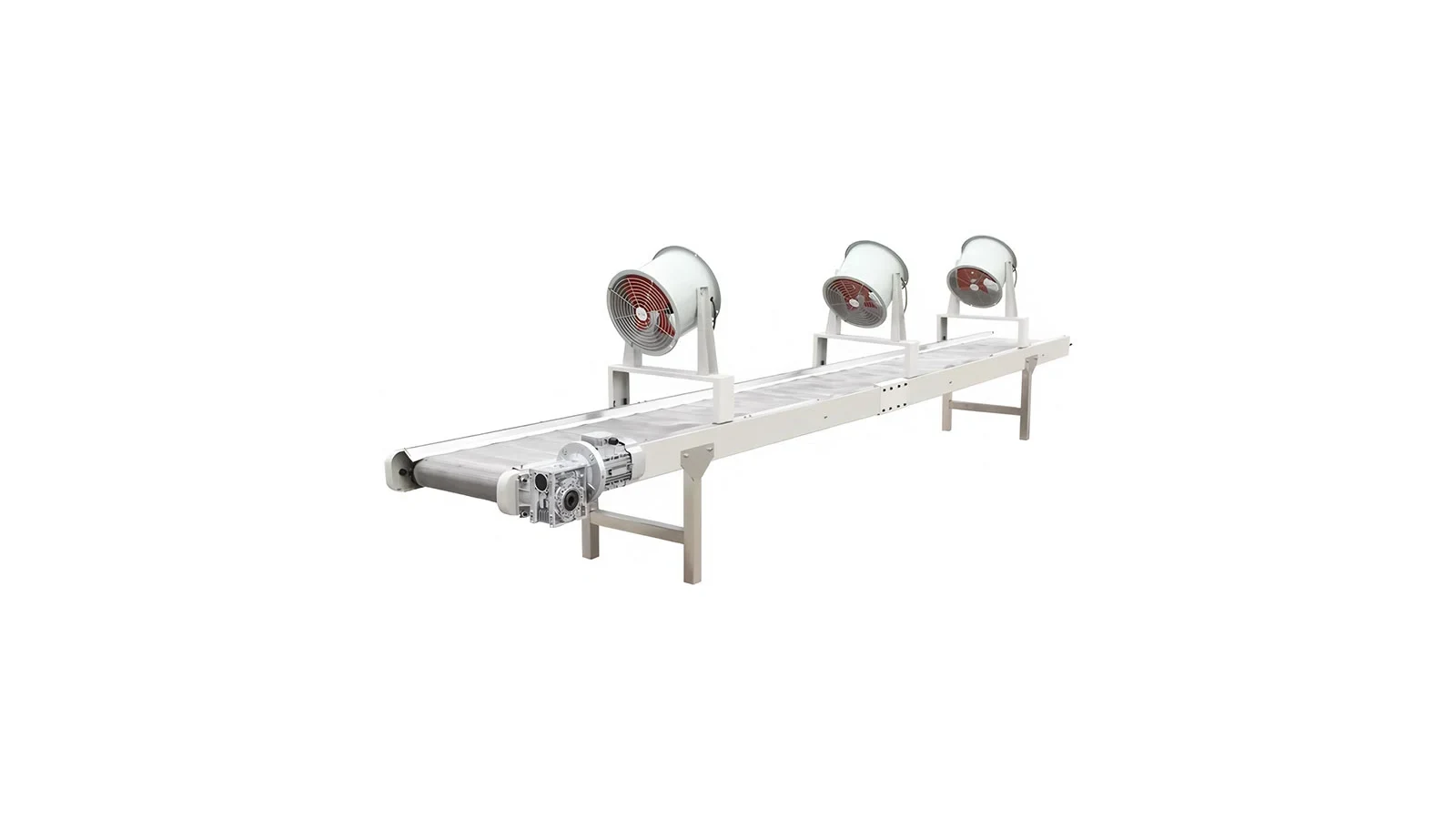
For a sensor, motor, drive, heater, switch, or control component, photograph the complete label and connector arrangement. Record the cabinet or machine tag and cable reference. Electrical ratings and compatibility must come from the label, drawing, bill of materials, or supplier record for that machine.
The request should never assume that a visually similar electrical item is interchangeable. Local voltage, phase, frequency, control logic, enclosure, connector, and revision may change the selection.
Use One Review Table
| Evidence field | Buyer entry | Supplier confirmation |
|---|---|---|
| Machine identity | Tag, model, serial, order reference | Installed configuration matched |
| Process location | Stage, full-machine image, orientation | Correct equipment family |
| Part identity | Installed and removed views, marks | Part number or further evidence needed |
| Interfaces | Mounting, shaft, thread, connector | Mating features confirmed |
| Dimensions | Numbered sketch, values, units | Drawing comparison completed |
| Condition | Observable symptom and time | Diagnosis status kept separate |
| Delivery scope | Quantity, urgency, destination | Quote, lead time and shipping basis confirmed |
Give the evidence pack a revision number. If the supplier asks for another angle or dimension, add it under the same request rather than opening a second unconnected conversation.
Related Planning Guides
- Locate the equipment with the puffed snack factory layout and utilities guide.
- Separate cutter and die evidence with the puffed snack cutting and shape-control brief.
- Record downstream interfaces with the seasoning drum interface guide.
Prepare the Identification Review
Send the equipment tag, line position, installed and removed-part photos, measured dimensions, observed condition, urgency and destination for an identification review.
Planning a puffed snack project?
Share a product photo and your target output. We will recommend a practical line configuration for evaluation.