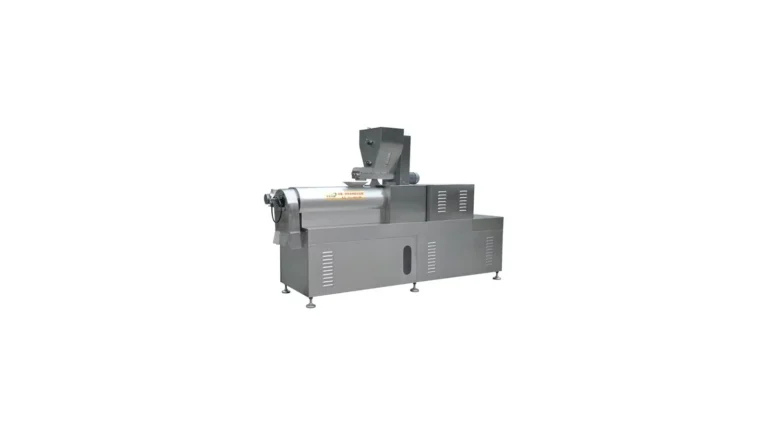
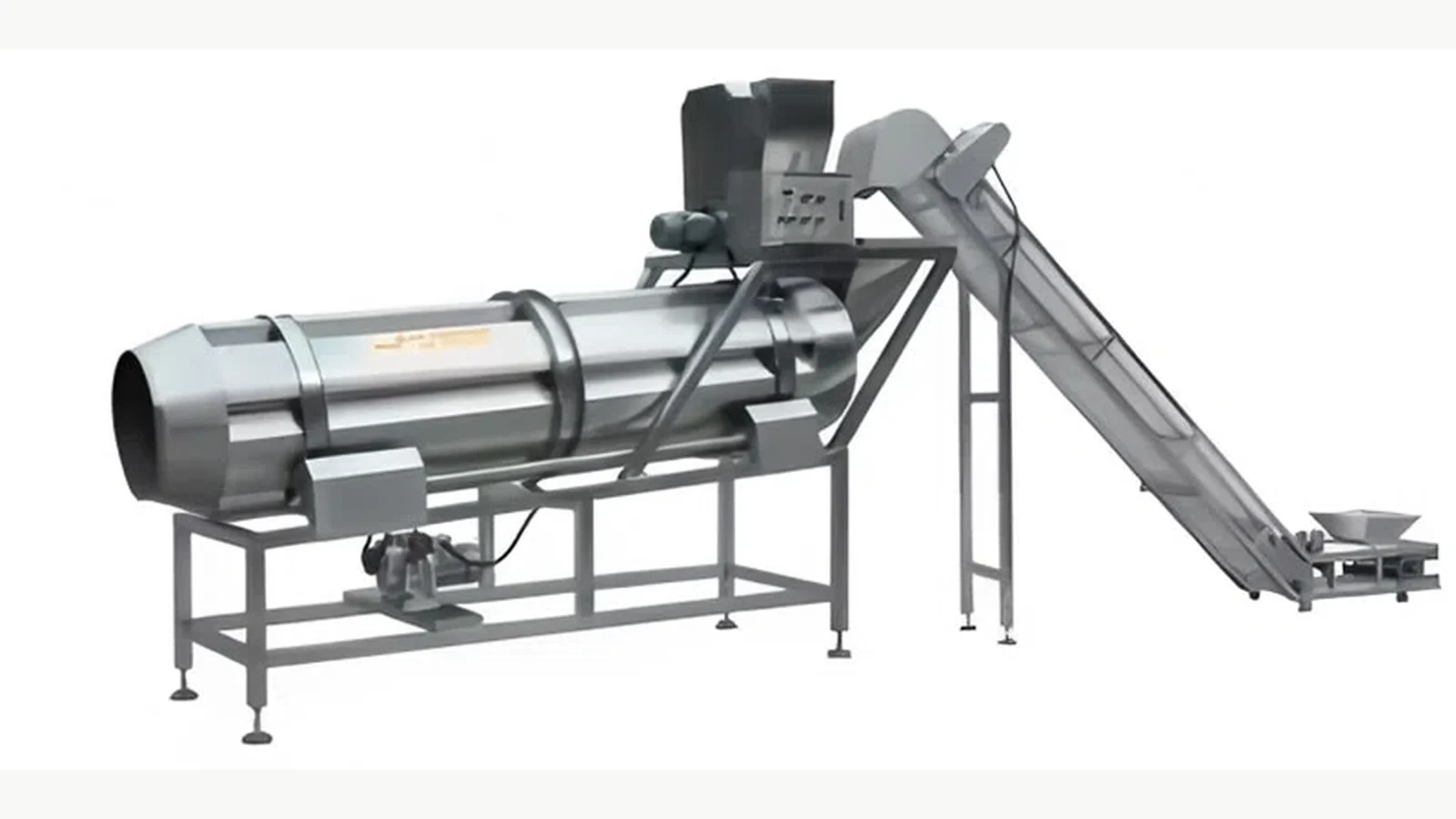
A seasoning drum is not an isolated accessory. It receives a product with a particular surface, temperature, strength and flow rate, applies a defined liquid or powder system, and passes that product toward cooling or packing. If those interfaces are vague, a quotation can contain the right equipment name but the wrong working scope.
This guide covers the seasoning stage for a confirmed direct-expanded or fried puffed-snack route. It does not extend to every fried food, 2D or 3D snack pellet, core-filled snack or tortilla-style line. Final equipment, recipe and process settings still require a product-specific review.
Start with the Product Entering the Drum
Describe the snack at the point where seasoning begins, not only the product name on the retail bag. A useful brief includes the raw-material basis, visible shape, piece dimensions, approximate bulk behavior and whether the product comes from drying or a confirmed frying route. Photos and a physical sample are more useful than a label such as “corn snack.”
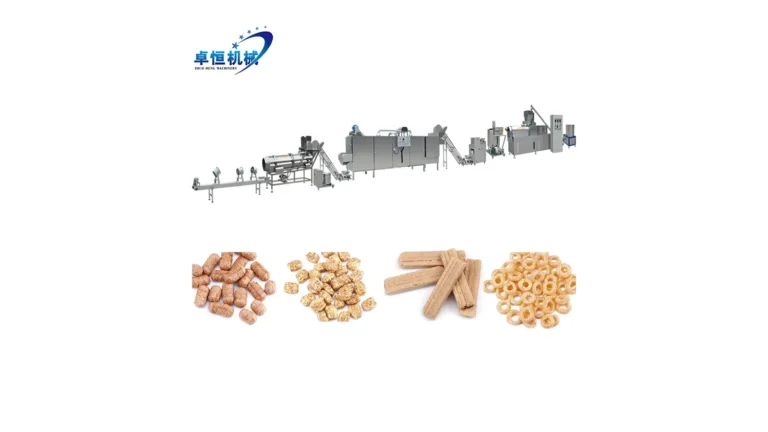
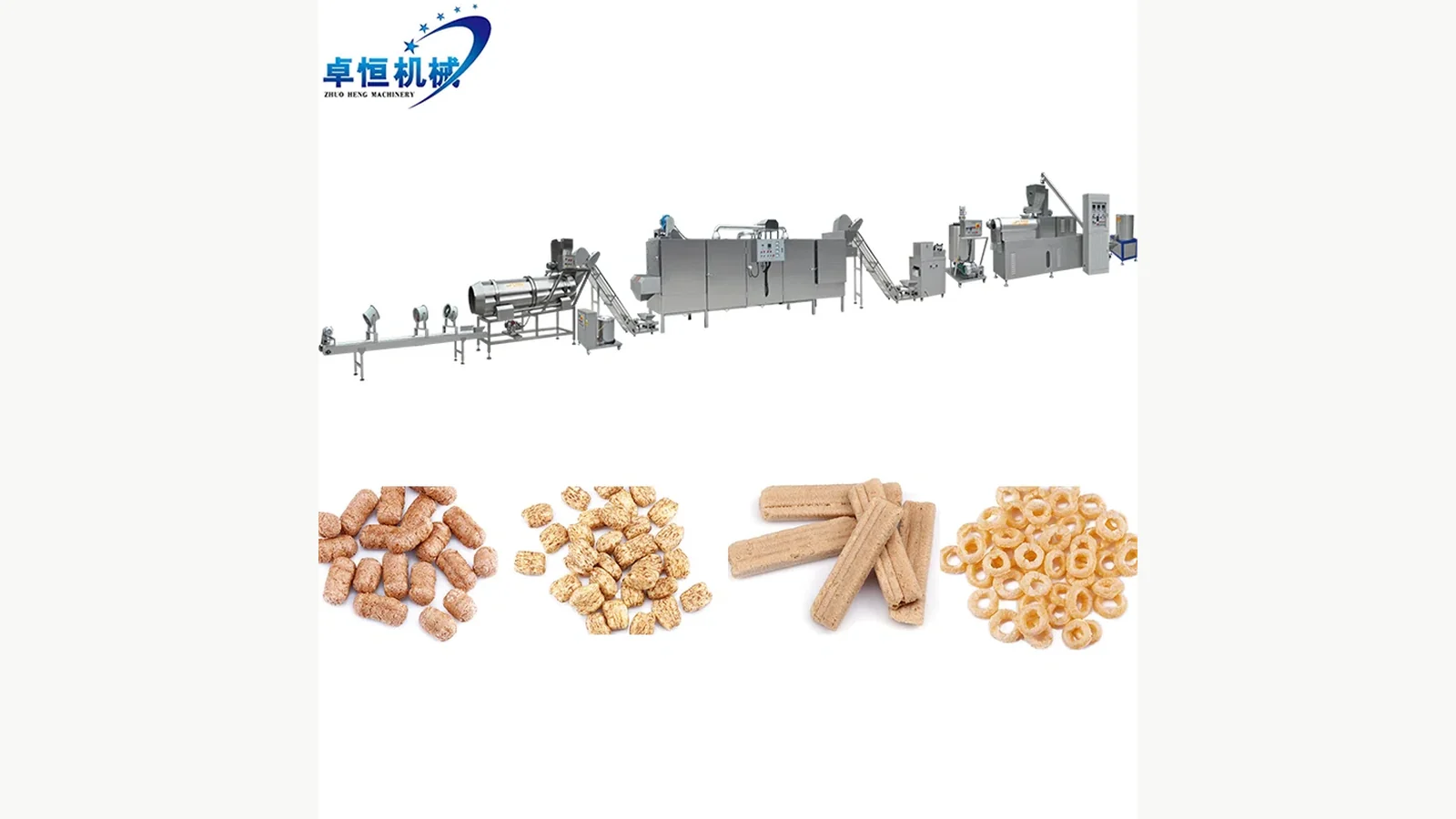
The ZH65 puffed snack production line shows the relevant complete-line family: preparation, mixing, extrusion and forming, followed by the confirmed downstream route. The page is a product-family reference, not proof that one downstream arrangement suits every recipe or capacity.
Product condition matters because fragile pieces, very light expanded shapes and denser products move through a drum differently. The supplier needs to review breakage risk, residence and transfer together. No fixed breakage rate or coating result should be assumed before a trial and an agreed acceptance method.
Separate Liquid Application from Powder Dosing
“Seasoning” often hides two different jobs. One is applying oil or another approved liquid carrier. The other is distributing dry powder. A buyer should state whether the project needs liquid only, powder only, or a coordinated sequence. The actual food ingredients, recipe ownership and applicable food rules remain with the buyer and its technical team.
Use a simple input table during the RFQ:
| Input | What to send | Why it changes the review |
|---|---|---|
| Snack sample | Photos, dimensions and product condition | Establishes surface, strength and handling context |
| Liquid system | Ingredient type, temperature condition and intended application point | Defines the liquid-handling discussion without assuming a universal sprayer |
| Powder system | Seasoning characteristics and target recipe basis | Supports feeder and distribution review |
| Flow | Required hourly output and expected variation | Helps balance the seasoning stage with the rest of the line |
| Changeovers | Number of flavors, order sequence and cleaning expectation | Affects access, separation and production planning |
| Acceptance | Agreed inspection or sampling method | Prevents a vague promise of “even coating” |
A recipe percentage should never be turned into an equipment guarantee. Ingredient behavior, product temperature, surface condition, feeding stability and operating settings all affect the result. The responsible teams should agree how coating consistency will be sampled and what range is acceptable for the actual product.
Fix the Upstream and Downstream Boundaries
The upstream stage determines what arrives at the flavoring system. A direct-expanded product may follow drying before seasoning. A confirmed fried route includes different oil and temperature conditions. The direct-expanded versus fried snack route guide explains why that choice must be settled before downstream equipment is priced.
Record the discharge height, transfer method, expected product temperature and the location at which seasoning should start. Downstream, define whether the product moves to a cooling conveyor, a holding step or packing. Include the packing-machine feed height and any buffer requirement in the line review.
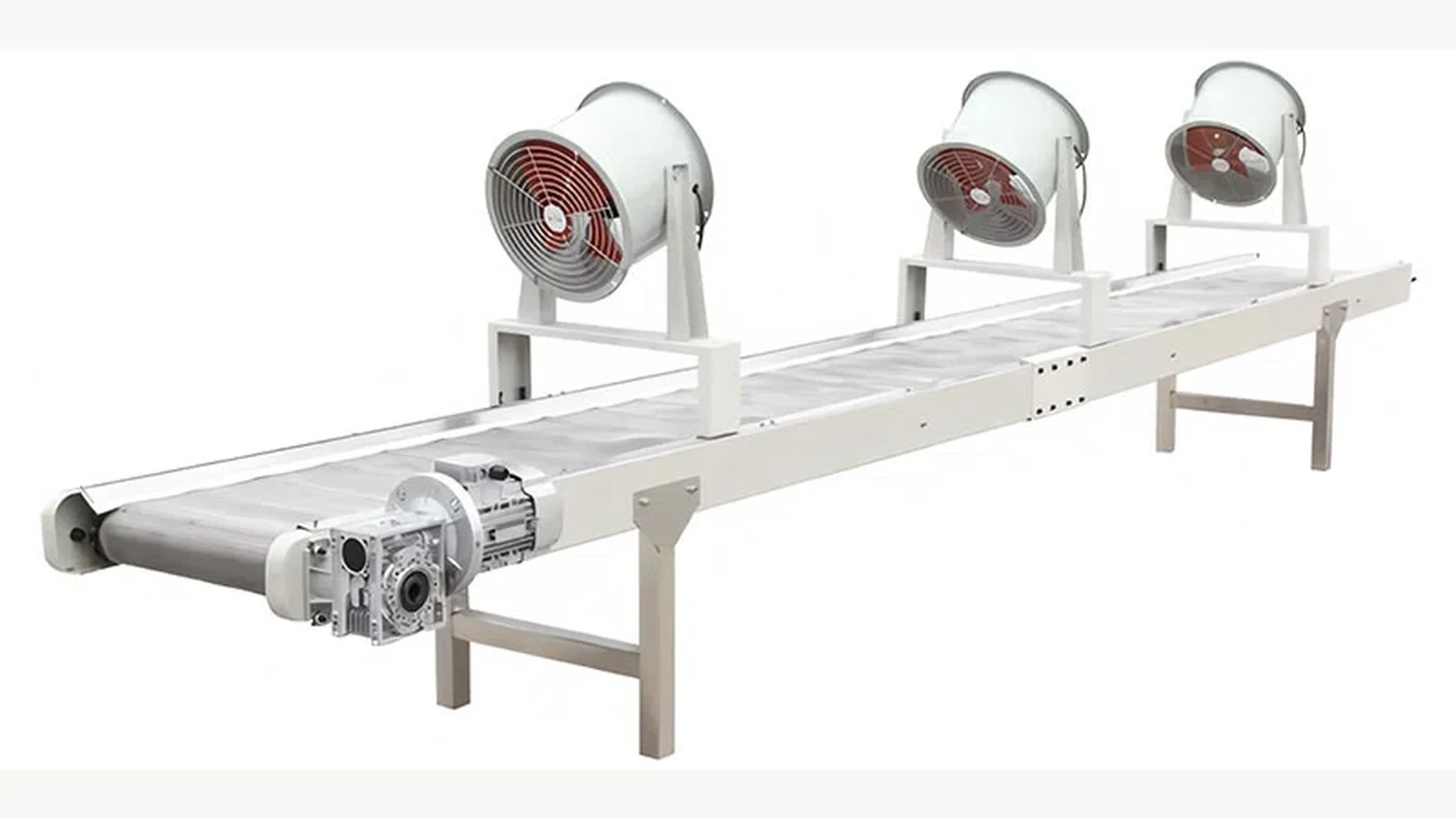
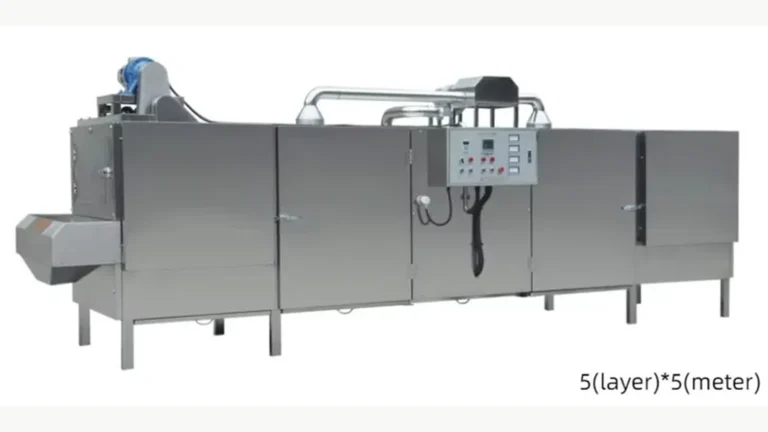
Cooling is not just a length of conveyor chosen from a photograph. Product route, incoming condition, room environment, belt loading and packing requirement influence the discussion. Ask the supplier to show which equipment is included, which interfaces are provided and which conditions must be confirmed later.
Match Throughput Without Treating One Number as Guaranteed Output
The seasoning stage must be balanced with the confirmed line configuration. A high extruder nameplate figure does not automatically establish finished packed output, and a downstream equipment range should not be copied into a guarantee for a different product.
Send hourly demand by finished SKU, planned operating hours, expected product changes and the upstream line being considered. The puffed snack line cost guide is useful when comparing whether quotations include liquid application, powder feeding, drums, conveyors, cooling and controls on the same basis.
A comparison sheet should therefore list:
- product and route used for the capacity discussion;
- included equipment from the upstream discharge to packing handoff;
- stated capacity basis for each major stage;
- cleaning and flavor-change assumptions;
- operator and utility responsibilities;
- trial conditions and acceptance evidence;
- optional items, exclusions and future confirmation points.
This format exposes an underspecified quotation before price becomes the only visible difference.
Plan Access, Cleaning, and Flavor Changeovers
Seasoning equipment handles food-contact materials and often changes recipes. The buyer should define its required cleaning approach, allergen or flavor-separation program, sanitation responsibility and inspection points. Exact procedures must follow the supplied equipment documentation and the buyer's own food-safety system.
Ask for access around drums, feeders, conveyors and liquid-handling components. Record how remaining powder or liquid will be identified, how startup material will be separated and how an approved setup will be documented. Avoid claiming a universal changeover time; the recipe, product, equipment configuration and cleaning standard determine the actual plan.
Build an Approval Trial Around Measurable Evidence
A trial should begin with the buyer's actual or representative product and ingredients. Agree the sample quantity, equipment scope and observed checks before the run. Visual coverage can be recorded, but it should not stand alone. Depending on the project, the buyer may also inspect piece damage, powder loss, liquid use, product temperature and downstream flow.
Keep the test result tied to the tested formula, product shape, throughput and settings. A successful sample is evidence for that case, not a blanket promise for every future flavor or snack geometry. Retain photos, samples and the agreed record so later quotation and production discussions refer to the same result.
RFQ Checklist for the Seasoning Stage
Send the following package for review:
- finished snack sample, photos and dimensions;
- direct-expanded or confirmed fried process route;
- product condition and temperature expected before seasoning;
- liquid ingredient and powder-seasoning requirements;
- target recipe basis and buyer-defined acceptance method;
- required hourly output and operating schedule;
- number of flavors and expected changeover sequence;
- upstream discharge and downstream packing interfaces;
- available floor plan, access limits and utilities;
- destination, voltage, frequency and phase;
- required supply boundary, documentation and training discussion.
Submit that information through the contact page for a product-specific seasoning and line-interface review. The final proposal should state what is confirmed, what is optional and what still depends on a sample trial.
Related Puffed Snack Planning Guides
- Puffed snack production line capacity guide
- Puffed snack sample and trial checklist
- Puffed snack factory layout and utility checklist
Planning a puffed snack project?
Share a product photo and your target output. We will recommend a practical line configuration for evaluation.