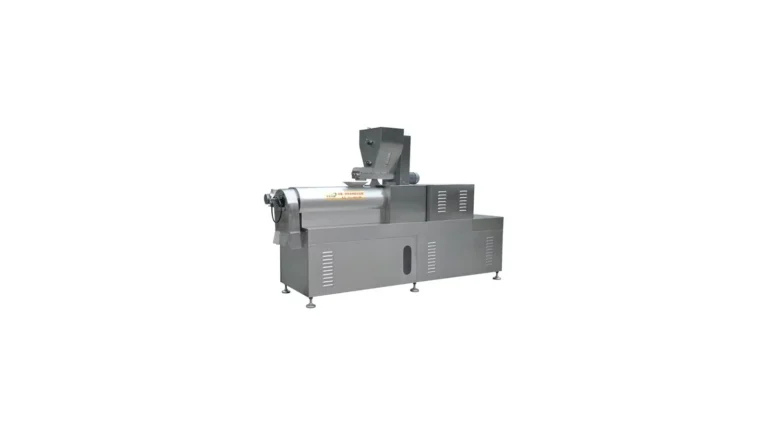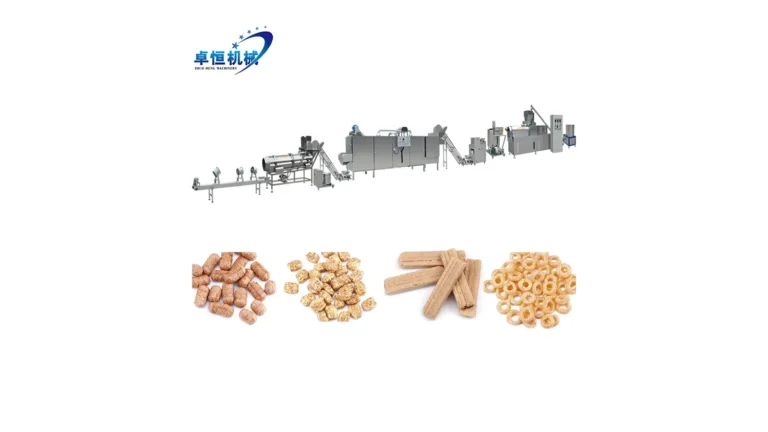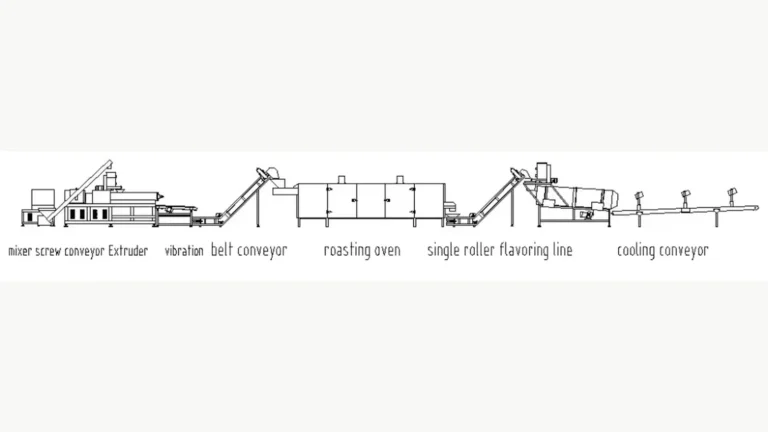
A puffed snack dryer is often discussed as if it were an isolated machine. For a buyer, the more useful question is whether the dryer can receive the extruded product consistently and deliver a condition that the cooling, seasoning, and packing stages can handle. The answer depends on the product, recipe, piece size, incoming condition, required final condition, and the complete process route. A single temperature or residence-time number cannot describe every snack.
This checklist helps a project team prepare evidence for the dryer stage before requesting a line configuration or arranging a representative trial. It applies to the confirmed preparation, mixing, feeding, extrusion, cutting, drying, cooling, flavoring, and packing route used for direct-expanded snack projects. If the intended product follows a fried route, identify that separately because its heat-treatment and oil-handling sequence differs.
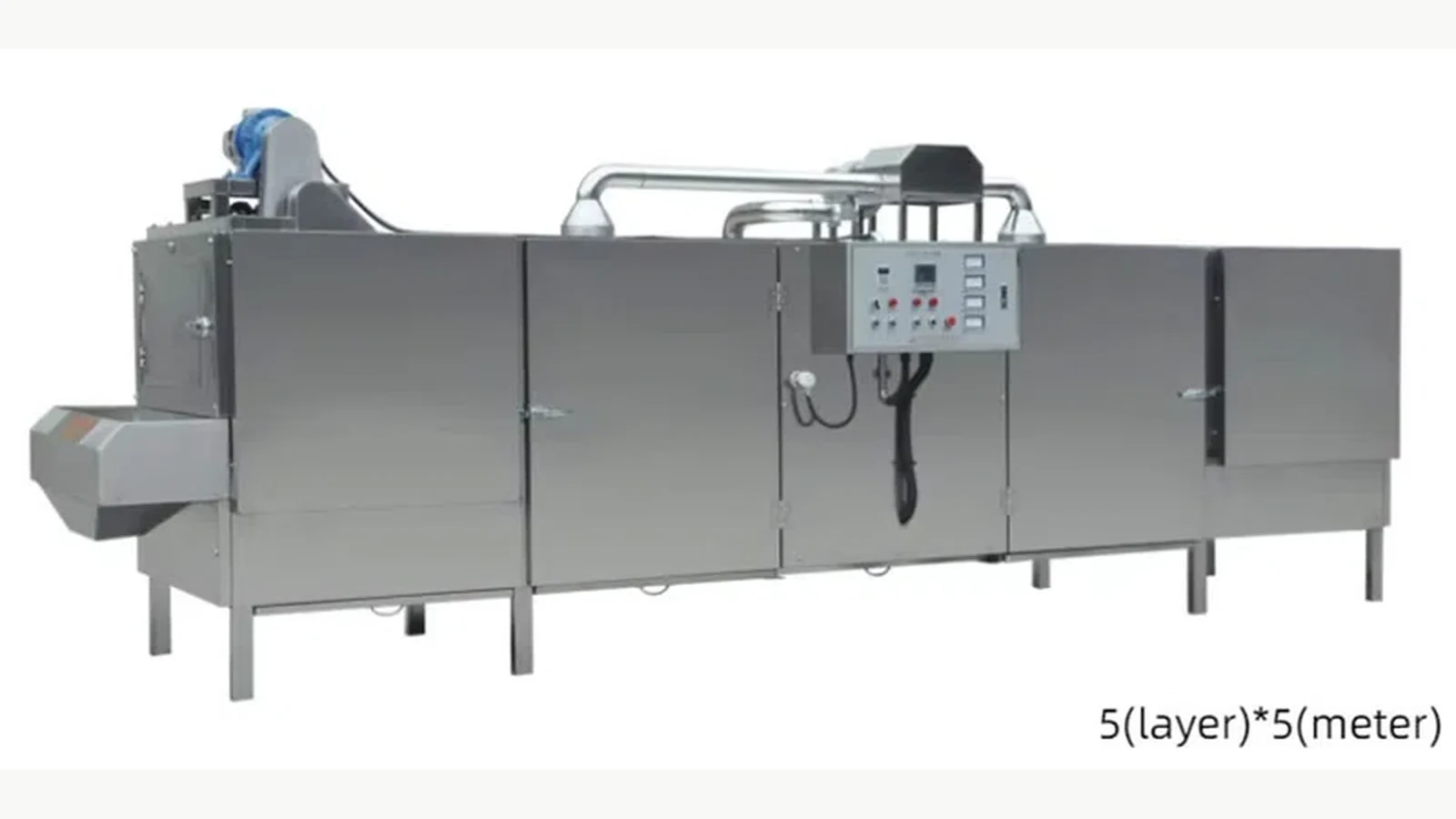
Start with the product entering the dryer
The dryer supplier needs more than the name of a snack. Record the raw-material family, formula status, target shape, nominal piece dimensions, and the condition immediately after extrusion and cutting. Photographs and a retained sample are useful, but they should be tied to a batch code and trial date. Otherwise, a later team cannot tell which settings produced which sample.
Incoming pieces should be described in practical terms: whether the surface is tacky, whether pieces deform during transfer, whether fragments are present, and whether the feed spreads evenly. These observations help the line designer review the conveyor, distributor, and loading interface. They are not substitutes for measurements made during an actual trial.
If shape is still being developed, complete the puffed snack cutter and die brief first. Shape and wall thickness can change how a product releases moisture, so an unresolved die decision makes a dryer comparison less reliable.
Define the dryer handoff on both sides
A useful dryer brief describes two boundaries:
- Upstream boundary: extrusion discharge, cutting arrangement, transfer height, expected feed rate, and how product reaches the dryer.
- Downstream boundary: discharge height, product temperature and condition to be reviewed, cooling method, seasoning sequence, and packing route.
- Control boundary: which settings are recorded at the dryer and which signals or operating guidance must be coordinated with adjacent equipment.
- Cleaning boundary: access expectations, product-change procedure, and responsibility for residue inspection.
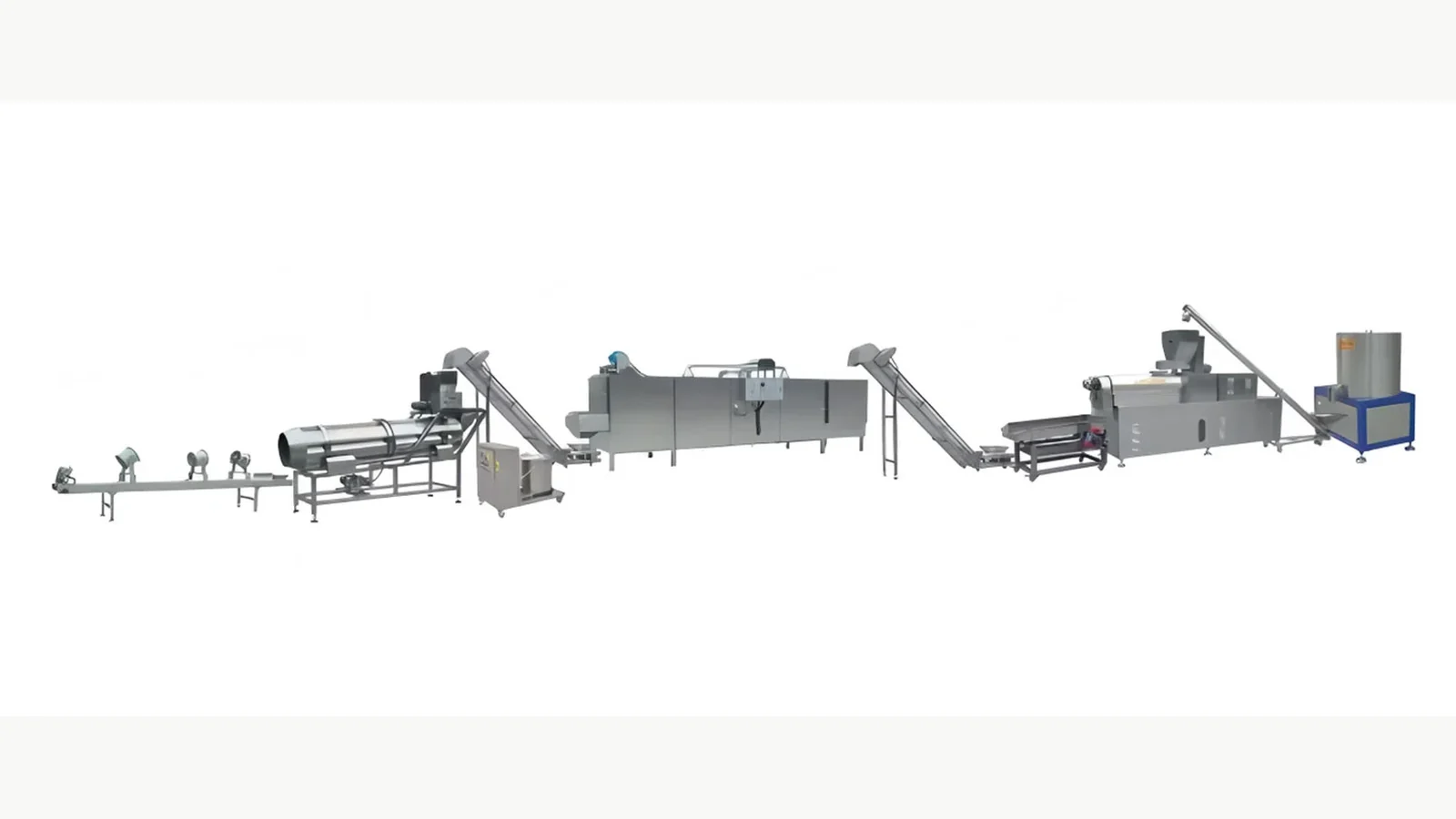
The ZH65 puffed snack production line is a relevant product reference for a compact industrial route, while the correct configuration still depends on the product brief and requested output. Buyers comparing larger or different configurations should keep the same boundary logic and confirm the final equipment list with the supplier.
Record a trial as a sequence, not one setting
During a representative trial, record the batch identity and time, the stable feed period, dryer settings, residence-time basis, product loading observations, and the samples taken at defined points. If settings are adjusted, start a new record rather than overwriting the first one. This creates a traceable comparison.
Check the product at the inlet, during discharge, after cooling, and after any subsequent seasoning step. A sample that appears acceptable when hot may behave differently after cooling or handling. The review should therefore cover appearance, breakage, texture target, measured moisture method if available, and packing readiness. Final targets must come from the buyer's product specification and validated process, not from a generic online value.
A simple trial sheet can include:
- formula revision and raw-material lot;
- die, cutter, and nominal piece dimensions;
- feed start time and stable-run window;
- dryer zone or control settings actually used;
- residence-time calculation or conveyor basis;
- sample IDs at inlet, discharge, cooled product, and seasoned product;
- observed deformation, color variation, breakage, or sticking;
- measurement method and acceptance owner.
The goal is not to copy a setting from another snack. It is to create evidence that the selected route can be reviewed against the buyer's target product.
Check loading and airflow risks during comparison
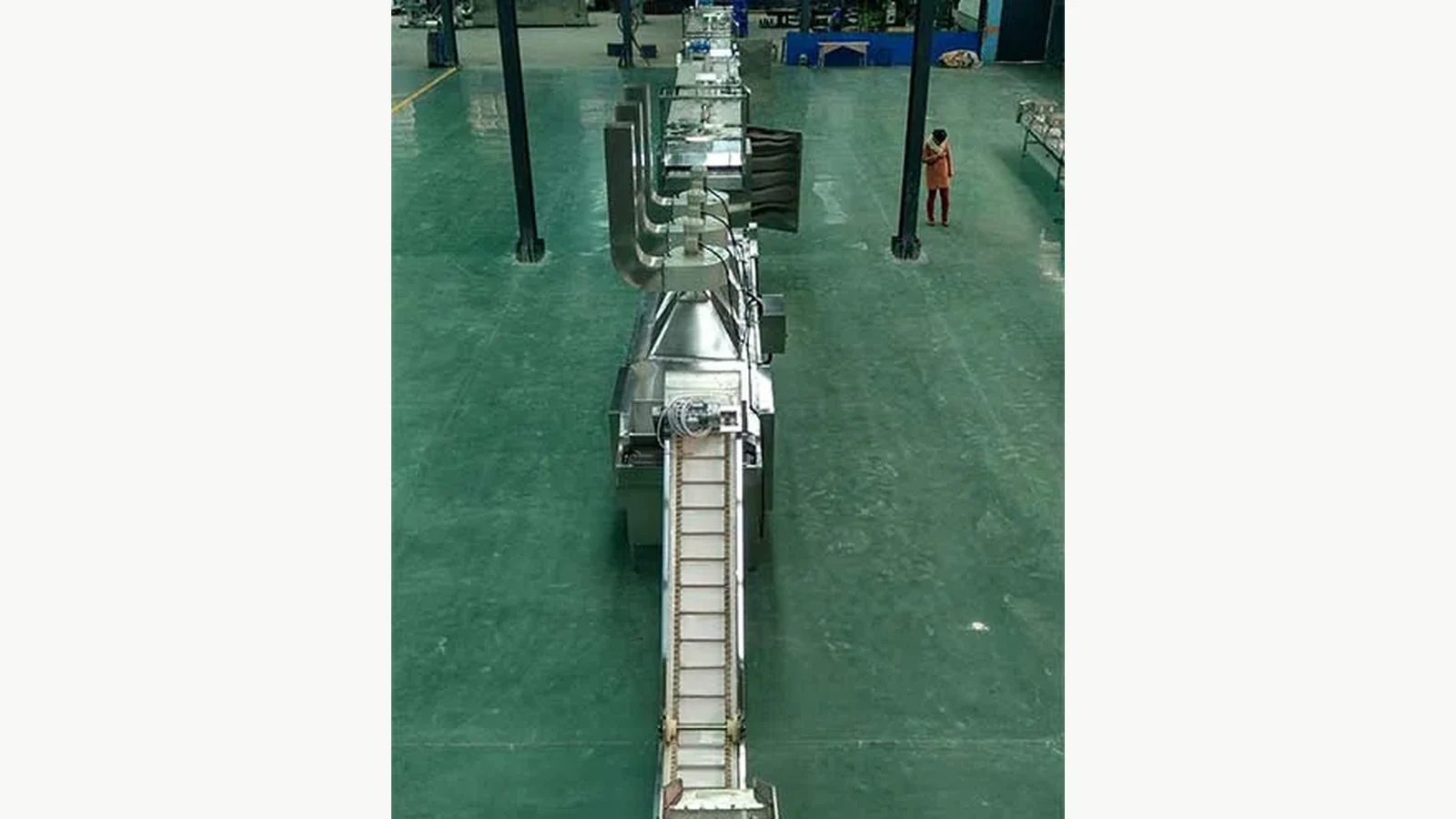
Average output alone can hide an uneven feed. A dryer may receive thick bands, thin areas, or surges when upstream transfer is unstable. Ask how product will be distributed across the usable belt or tray area and how the team will observe loading during a trial. Also identify fines or broken pieces that could affect cleaning or airflow.
Utilities and building constraints belong in the same comparison. Record available electrical supply, fuel or heating preference where applicable, ventilation expectations, room dimensions, access route, and destination standards. The puffed snack factory layout and utility checklist gives the broader building information needed before a final layout is confirmed.
Separate dryer acceptance from final product approval
Dryer-stage acceptance should confirm the agreed equipment scope, controls, safe access, transfer interfaces, and the documented trial condition. Final snack approval is broader: it may include seasoning pickup, cooled texture, packaging performance, storage testing, and market requirements controlled by the buyer. Keeping these decisions separate prevents a successful machine run from being treated as proof of every commercial result.
For the line trial, agree in advance who supplies ingredients, which sample represents the target, how many settings may be tested, which measurements will be taken, and who signs the record. The puffed snack sample and trial checklist helps organize those responsibilities.
What to send for a dryer-stage review
Send one concise project pack containing:
- target snack photographs, drawing, and sample status;
- formula status and raw-material family;
- direct-expanded or fried route decision;
- target output and operating schedule;
- incoming and desired downstream product condition;
- available measurement method and acceptance criteria;
- seasoning and packing sequence;
- site layout, utilities, destination, and access limits.
With these inputs, the supplier can review the dryer as part of the full process rather than quote an isolated cabinet. This also makes quotations easier to compare because each bidder is responding to the same handoff and evidence requirements.
Related planning guides
- How to choose a puffed snack production line capacity
- Puffed snack production line cost factors
- Seasoning drum inputs for extruded snacks
Request a configuration review
Send Zhuoheng your snack sample or drawing, formula status, route, target output, dryer inlet and discharge expectations, downstream seasoning and packing plan, utilities, layout, and destination. The engineering team can then review a project-specific line configuration and trial scope through the project inquiry page.
Planning a puffed snack project?
Share a product photo and your target output. We will recommend a practical line configuration for evaluation.